
Anúncios
Metal detector apps have revolutionized treasure hunting and practical everyday tasks, transforming smartphones into powerful detection tools that anyone can carry in their pocket.

What was once exclusive equipment reserved for professionals and dedicated hobbyists is now accessible through innovative mobile applications. These digital solutions leverage the magnetic sensors already built into modern smartphones, turning them into functional metal detectors capable of identifying ferrous materials nearby.
Anúncios
Whether you’re searching for lost jewelry in the sand, locating hidden wiring behind walls, or simply exploring the fascinating world of metal detection as a hobby, these apps offer surprising accuracy and versatility. Let’s dive deep into how they work, their practical applications, and what makes them such compelling tools for everyday users.
🔍 How Metal Detector Apps Actually Work
The science behind metal detector applications is surprisingly straightforward yet elegant. Every smartphone manufactured in recent years contains a magnetometer—a sensor originally designed to power compass functionality and assist with navigation. This same sensor can detect disturbances in the Earth’s magnetic field caused by nearby metallic objects.
Anúncios
When ferrous metals (those containing iron) come within proximity of your device, they create measurable fluctuations in the ambient magnetic field. The app continuously monitors these variations through the magnetometer, translating raw sensor data into readable measurements displayed on your screen.
Most applications measure magnetic field strength in microteslas (µT), with typical baseline readings ranging from 25 to 65 µT depending on your geographic location. As metal approaches, these values spike dramatically, often reaching 100 µT or higher when directly over a significant metallic object.


📱 The Technology Behind Your Phone’s Sensors
Modern smartphones contain sophisticated three-axis magnetometers that can detect magnetic fields along the X, Y, and Z axes. This tri-directional sensitivity allows the device to pinpoint not just the presence of metal but also provide clues about its relative position and orientation.
The sensitivity and accuracy of detection depend heavily on your specific phone model. Premium devices typically feature higher-quality sensors with better calibration and noise reduction, resulting in more precise readings and improved detection ranges.
🎯 Practical Applications in Daily Life
Metal detector apps serve far more purposes than recreational treasure hunting. Their utility extends into numerous practical scenarios that homeowners, DIY enthusiasts, and professionals encounter regularly.
🏠 Home Improvement and Safety
Before driving nails into walls or drilling holes for shelving, detecting hidden metal studs, pipes, or electrical conduits becomes critical for safety and avoiding costly mistakes. A quick scan with your phone can reveal where metal framing lies behind drywall, preventing damage to plumbing or wiring.
Contractors and electricians frequently use these apps as quick reference tools when proper equipment isn’t immediately available. While they don’t replace professional-grade stud finders entirely, they provide valuable preliminary information that guides more thorough investigations.
🏖️ Beach and Outdoor Adventures
Lost rings, dropped keys, and misplaced coins become recoverable when you have detection technology at your fingertips. Beach enthusiasts particularly appreciate the convenience of having a metal detector without carrying bulky specialized equipment.
Many users report success stories of recovering valuable items that would have been permanently lost without mobile detection assistance. The immediate availability of the app on a device you already carry makes opportunistic searching practical and spontaneous.
🔧 Workshop and Garage Organization
Dropped screws in sawdust, misplaced tools in cluttered workspaces, or metal shavings that need location and removal—these common workshop challenges find quick solutions through mobile detection.
The ability to sweep your phone across areas where small metal objects might be hiding saves considerable time and frustration, especially when searching through materials like wood chips, sand, or grass where visual inspection proves difficult.
⭐ Key Features to Look For
Not all metal detector applications deliver equal performance. Understanding which features provide genuine value helps you select the most suitable option for your specific needs.
📊 Visual and Audio Feedback
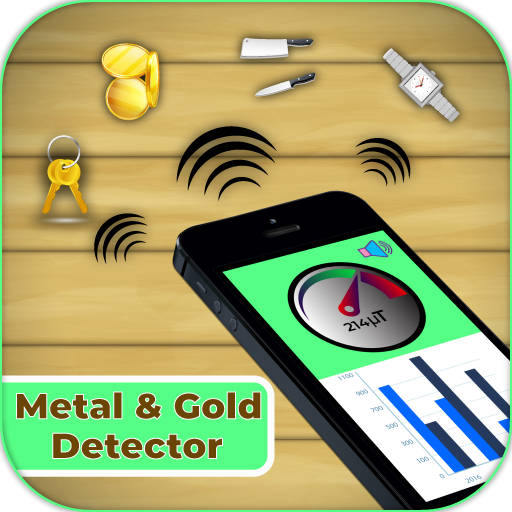
The best applications provide multiple feedback mechanisms. Real-time numerical readings show exact magnetic field measurements, while graphical displays illustrate fluctuations visually. Audio cues—beeps that increase in frequency or volume as metal approaches—allow hands-free operation without constantly watching the screen.
Customizable alert thresholds let you set sensitivity levels appropriate to your task. Higher sensitivity helps locate small objects, while lower settings reduce false positives when scanning through areas with ambient magnetic interference.
🎨 User Interface Design
Intuitive layouts with clear displays make the difference between frustration and effective use. Look for apps featuring large, easy-to-read numbers, color-coded indicators that change as metal approaches, and simple calibration processes that don’t require technical knowledge.
Dark mode options preserve night vision during evening searches, while minimal designs reduce battery consumption—an important consideration since the magnetometer requires continuous sensor activation.
📈 Calibration and Accuracy
Quality applications include calibration tools that help establish baseline readings for your specific environment. Magnetic fields vary by location, altitude, and nearby structures, so establishing a local reference point improves detection accuracy significantly.
Some advanced apps maintain calibration histories, allowing you to compare readings over time or switch between saved profiles for different locations or purposes.
🚫 Understanding Limitations and Realistic Expectations
While remarkably useful, smartphone-based metal detectors cannot match the performance of dedicated professional equipment. Recognizing their limitations prevents disappointment and helps you use them appropriately.
⚡ Detection Range and Depth
Phone-based detectors typically identify objects within 3-6 inches (8-15 cm) of the device surface. This shallow detection range means buried items or metals behind thick walls may remain undetectable. Professional metal detectors reach depths of several feet using specialized coils and signal processing unavailable in smartphones.
The size and mass of the metal object directly affect detection distance. Large ferrous items register at maximum range, while small objects like thin coins or jewelry require nearly direct contact for reliable detection.
🧲 Metal Type Discrimination
Smartphone magnetometers respond primarily to ferromagnetic materials—those naturally magnetic or easily magnetized, such as iron, steel, nickel, and cobalt. Non-ferrous metals like aluminum, copper, brass, gold, and silver produce minimal or no magnetic field distortion, making them effectively invisible to these apps.
This limitation means lost gold rings or aluminum tools may go undetected regardless of app quality. Professional metal detectors use electromagnetic induction to identify non-ferrous metals, a technology not available through standard smartphone sensors.
📱 Device-Specific Performance Variations
Sensor quality varies dramatically between phone models and manufacturers. Premium devices from major brands typically feature calibrated, high-quality magnetometers, while budget smartphones may include less sensitive or poorly calibrated sensors that produce inconsistent results.
Protective cases, especially those with magnetic clasps or metal components, interfere with readings and should be removed before using detection apps. Screen protectors and thin cases usually don’t affect performance significantly.
🛠️ Tips for Optimal Detection Results
Maximizing effectiveness requires understanding proper technique and environmental factors that influence performance.
📍 Calibration Best Practices
Always calibrate in the area where you’ll conduct your search. Move to an open space away from obvious metal objects, then perform the app’s calibration sequence—usually involving figure-eight motions or rotating the phone along different axes.
Recalibrate whenever you change locations significantly, especially when moving between indoor and outdoor environments where ambient magnetic fields differ substantially.
🔄 Sweeping Technique
Move the phone slowly and steadily across the search area, maintaining consistent height above the surface. Rapid movements reduce sensor accuracy and may cause missed detections. Overlap your sweeping paths to ensure complete coverage without gaps.
Hold the device with the back (where magnetometers are typically located) facing downward toward the surface being scanned. Some apps provide orientation guidance indicating optimal phone positioning.
🌍 Environmental Considerations
Electromagnetic interference from power lines, electronic devices, or metal structures creates background noise that reduces detection accuracy. When possible, conduct searches away from these interference sources.
Weather conditions rarely affect performance directly, but rain requires waterproof protection for your phone—an important consideration when searching outdoors.
🎓 Educational Value and Learning Opportunities
Beyond practical utility, metal detector apps serve as excellent educational tools for understanding magnetism, electromagnetic fields, and sensor technology.
Students can conduct hands-on experiments exploring how different metals affect magnetic fields, measuring variations around household objects, or mapping magnetic field strengths throughout their environment. These interactive learning experiences make abstract physics concepts tangible and engaging.
Teachers incorporate these apps into STEM curricula, facilitating demonstrations that would otherwise require expensive equipment. The accessibility of smartphone-based detection democratizes scientific exploration, enabling curious minds to investigate principles of magnetism independently.
🌟 Choosing the Right App for Your Needs
The app marketplace offers numerous metal detection applications with varying features, interfaces, and performance characteristics. Selecting the optimal option depends on your intended use and preferences.
💡 Free vs. Premium Options
Many effective metal detector apps are available free with ad support. These typically provide all essential detection functionality without payment, making them ideal for occasional use or testing whether smartphone-based detection meets your needs.
Premium versions remove advertisements and often include additional features like extended measurement histories, advanced calibration options, or customizable interface themes. Evaluate whether these enhancements justify the cost based on your usage frequency and requirements.
⭐ User Reviews and Ratings
Before downloading, examine user feedback carefully. Look for comments specifically addressing detection accuracy, sensor performance with various phone models, and developer responsiveness to reported issues.
Pay particular attention to reviews from users with phone models similar to yours, as performance varies significantly between devices. Recent reviews provide more relevant information about current app versions and compatibility.
🔮 Future Developments and Technology Trends
Smartphone sensor technology continues advancing rapidly, promising improved detection capabilities in future device generations. Enhanced magnetometer sensitivity, AI-powered signal processing, and multi-sensor fusion techniques will likely expand both range and accuracy.
Augmented reality integration represents an exciting frontier, potentially overlaying detection data directly onto camera views. This would allow you to see visual representations of detected metals superimposed on your environment in real-time, dramatically improving usability and spatial awareness.
Machine learning algorithms may eventually enable better discrimination between metal types by analyzing subtle magnetic signature patterns, partially bridging the gap between smartphone apps and professional equipment capabilities.
💼 Professional vs. Amateur Use Cases
While metal detector apps excel in casual and light-duty scenarios, understanding when professional equipment becomes necessary prevents frustration in demanding applications.
For serious treasure hunting, archaeological work, or security screening, dedicated metal detectors remain essential. Their superior depth penetration, material discrimination, and ground-balancing capabilities deliver performance that smartphones cannot currently match.
However, for quick reference checks, casual searches, or situations where carrying dedicated equipment proves impractical, smartphone apps provide remarkably capable alternatives that serve most everyday needs effectively.
🌐 Community and Shared Experiences
Online communities of metal detection enthusiasts share discoveries, techniques, and tips that enhance everyone’s success. Social media groups and forums dedicated to mobile metal detection create supportive environments where beginners learn from experienced users.
Many users document interesting finds and challenging detection scenarios, contributing to collective knowledge about what works well and which situations exceed smartphone capabilities. This collaborative spirit helps set realistic expectations while celebrating genuine successes.
🎁 Unexpected Benefits and Surprising Uses
Beyond primary detection purposes, users discover creative applications for these versatile tools. Some use them to verify whether jewelry is actually metal or plated material, test magnetic therapy products, or investigate whether items are truly “non-magnetic” as claimed.
Children find endless entertainment exploring their environment, turning everyday spaces into scientific laboratories where hidden metallic mysteries await discovery. This playful exploration often sparks lasting interest in science and technology.
The convenience factor alone—having detection capability always available without planning or equipment preparation—enables spontaneous investigations that would never happen if specialized tools were required. This accessibility transforms how we interact with our physical environment, adding an extra dimension of awareness to daily activities.
Metal detector apps represent a perfect example of how smartphone technology extends human capabilities in unexpected ways. By repurposing existing sensors for novel applications, developers create tools that blend entertainment, utility, and education into experiences accessible to anyone with a modern phone. Whether you’re recovering lost treasures, conducting home repairs safely, or simply exploring the fascinating world of magnetism, these applications deliver surprising value in remarkably compact packages.
