
Anúncios
Metal detector apps have transformed smartphones into powerful tools capable of locating hidden metallic objects, making treasure hunting and home improvement projects more accessible than ever before.

These innovative applications leverage the magnetic sensors already built into modern smartphones, providing users with a convenient way to detect metal without carrying specialized equipment. Whether you’re searching for lost jewelry in your backyard, locating studs behind drywall, or simply exploring the possibility of finding hidden treasures, metal detector apps offer surprising functionality right at your fingertips.
Anúncios
The technology behind these apps is both fascinating and practical, utilizing magnetometers to measure magnetic field variations caused by metallic objects. As smartphones continue to advance with more sensitive sensors, these applications have become increasingly accurate and reliable for everyday detection tasks. Let’s explore everything you need to know about metal detector apps and how they can serve your specific needs.
🔍 How Metal Detector Apps Actually Work
Metal detector apps rely on the magnetometer sensor embedded in most modern smartphones. This sensor, originally designed for compass functionality, measures the Earth’s magnetic field and can detect disturbances caused by ferromagnetic materials nearby. When you move your phone closer to a metallic object, the app registers changes in the magnetic field strength and alerts you through visual indicators, sounds, or vibrations.
Anúncios


The sensitivity of these apps depends heavily on your smartphone’s hardware capabilities. Newer devices typically feature more advanced magnetometers that can detect smaller variations in magnetic fields, resulting in better detection accuracy. The apps process this sensor data in real-time, converting raw magnetic field measurements into user-friendly readings displayed on your screen.
It’s important to understand that smartphone metal detectors work best with ferromagnetic metals like iron, steel, and nickel. These materials create significant magnetic field disturbances that sensors can easily detect. Non-ferrous metals such as gold, silver, copper, and aluminum produce weaker magnetic signatures and are much harder to locate using smartphone-based detectors.
📱 Top Features to Look for in Metal Detector Apps
When choosing a metal detector app, several key features can significantly enhance your detection experience. The best applications combine intuitive design with powerful functionality to deliver reliable results across various scenarios.
Real-Time Measurement Display
Quality metal detector apps provide instant feedback through clear visual displays showing magnetic field strength in microteslas (µT). These real-time measurements help you gauge proximity to metallic objects as you move your device around the search area. Look for apps that offer both numerical readings and graphical representations for easier interpretation.
Customizable Sensitivity Settings
Advanced apps allow you to adjust detection sensitivity based on your specific needs. Higher sensitivity settings enable detection of smaller objects or those buried deeper, while lower settings reduce false positives in areas with significant background magnetic interference. This flexibility proves invaluable when working in different environments.
Audio and Vibration Alerts
Audible tones and haptic feedback let you focus on your surroundings rather than constantly watching the screen. The best apps offer customizable alert patterns that change intensity as you approach metallic objects, creating an intuitive detection experience similar to professional metal detectors.
Calibration Tools
Proper calibration ensures accurate readings by establishing a baseline for the ambient magnetic field. Apps with built-in calibration features help eliminate interference from electronic devices, building materials, or natural magnetic anomalies in your search area.
🏠 Practical Applications Around Your Home
Metal detector apps prove surprisingly useful for various household tasks beyond treasure hunting. Homeowners and DIY enthusiasts have discovered numerous practical applications that make these free tools invaluable additions to their smartphone toolkit.
Finding Studs and Electrical Wiring
One of the most common uses involves locating metal studs, nails, and screws hidden behind drywall. This capability helps you safely hang heavy pictures, mirrors, or shelving units without damaging hidden pipes or electrical wiring. Simply move your phone slowly across the wall surface, and the app will alert you when it detects metal fasteners or framing members.
Locating Underground Utilities
Before digging in your yard for gardening projects or fence installation, use a metal detector app to identify buried metal pipes, cables, or junction boxes. While not a replacement for professional utility location services, these apps provide an additional safety layer for shallow excavation projects.
Recovering Lost Metal Objects
Dropped keys in tall grass, lost tools in the garage, or jewelry fallen between deck boards become much easier to find with a metal detector app. The systematic scanning approach helps you cover search areas methodically, increasing your chances of recovery significantly.
⚡ Limitations and Realistic Expectations
While metal detector apps offer impressive functionality considering they’re free smartphone applications, understanding their limitations helps set appropriate expectations and prevents disappointment during use.
Smartphone magnetometers lack the power and range of dedicated metal detectors. Detection depth typically maxes out at a few inches for small objects and slightly deeper for larger metallic items. Professional metal detectors can penetrate several feet underground, making them far superior for serious treasure hunting or archaeological work.
Environmental factors significantly impact performance. Electronic devices, power lines, rebar in concrete, and naturally occurring magnetic minerals can create interference that produces false positives or masks actual metallic objects. Learning to identify and compensate for these factors improves your detection success rate over time.
Battery consumption presents another consideration, as continuous sensor monitoring and screen-on time drain smartphone batteries relatively quickly. Extended detection sessions may require portable charging solutions or careful battery management to avoid leaving yourself without phone functionality when needed.
🌟 Tips for Maximizing Detection Accuracy
Getting the most from your metal detector app requires understanding proper technique and environmental factors that influence sensor performance. These practical tips help improve your detection results significantly.
Start With Proper Calibration
Always calibrate your app away from known metal objects and electronic interference. Move your phone in a figure-eight pattern during calibration to establish an accurate baseline. Recalibrate whenever you move to a new location or notice inconsistent readings.
Maintain Consistent Movement Speed
Slow, steady movements allow the magnetometer to register changes accurately. Rushing through your search area or moving the phone erratically can cause you to miss objects or trigger false positives. Practice maintaining a consistent height above the search surface for uniform coverage.
Remove Magnetic Phone Cases
Magnetic mounting cases and metal phone accessories interfere with sensor readings, creating constant false positives. Remove these items before using metal detector apps to ensure clean, accurate measurements.
Use Sweep Patterns
Cover your search area systematically using overlapping horizontal or vertical sweep patterns. This methodical approach ensures complete coverage and prevents missing sections where objects might hide. Mark areas you’ve already searched to avoid redundant scanning.
🎯 Choosing Between Free and Premium Versions
Many metal detector apps offer both free versions with basic functionality and premium upgrades featuring advanced capabilities. Understanding what you gain from paid versions helps determine whether the investment makes sense for your needs.
Free versions typically provide core detection functionality sufficient for casual home use and occasional treasure hunting. You’ll access real-time magnetic field readings, basic visual indicators, and simple audio alerts. Advertisements usually fund these free versions, which may interrupt your detection sessions periodically.
Premium upgrades commonly remove advertisements for uninterrupted operation, add advanced features like historical data logging, offer multiple display modes, and provide enhanced sensitivity controls. Some paid versions include augmented reality features that overlay detection information on your camera view, creating a more immersive experience.
For most users, free versions deliver adequate performance for typical household tasks and recreational metal detecting. Consider premium upgrades if you frequently use metal detection features, require advanced functionality, or find advertisements disruptive to your workflow.
🔧 Troubleshooting Common Detection Issues
Even the best metal detector apps occasionally present challenges. Recognizing common problems and knowing how to address them ensures more productive detection sessions and less frustration.
Constant High Readings
If your app shows consistently high magnetic field measurements regardless of location, you’re likely experiencing interference from your phone case, nearby electronics, or building materials. Step outside away from structures and remove any magnetic accessories. Recalibrate the app in this clean environment before resuming your search.
No Detection Response
When the app fails to respond to known metal objects, check that your phone’s magnetometer sensor is functioning correctly. Test with a strong magnet or known metal object. If problems persist, restart your phone and reinstall the app. Some older smartphone models have less sensitive sensors that struggle with smaller objects.
Erratic or Unstable Readings
Fluctuating measurements often result from moving too quickly, operating near electrical interference, or holding the phone at inconsistent heights. Slow down your sweep speed, move away from power sources, and maintain steady distance from the search surface. Background magnetic variations in soil with high iron content can also cause reading instability.
🏆 Comparing App Performance Across Devices
Not all smartphones deliver equal metal detection capabilities. Hardware variations between manufacturers and models significantly impact sensor sensitivity and app performance, influencing your detection success rate.
High-end flagship smartphones generally incorporate superior magnetometers with greater sensitivity ranges and faster response times. These devices detect smaller objects at slightly greater depths compared to budget models. However, even mid-range phones from the past few years contain sensors adequate for most casual detection needs.
iPhone models have historically featured consistent, high-quality magnetometers across their product lines, resulting in reliable metal detection app performance. Android devices show more variation due to the diverse range of manufacturers and sensor components, with flagship models from Samsung, Google, and other premium brands delivering excellent results.
Before relying heavily on metal detection apps for important projects, test your specific device’s capabilities with known metal objects at various depths and sizes. This empirical testing reveals your phone’s practical detection limits and helps set realistic expectations for field use.
🌍 Metal Detecting Etiquette and Legal Considerations
Using metal detector apps for treasure hunting or artifact recovery comes with ethical responsibilities and legal restrictions that every user should understand before heading out to search public or private property.
Always obtain explicit permission before metal detecting on private property. Landowners retain rights to anything found on their land, and trespassing with detection equipment can result in legal consequences. Many public parks, beaches, and recreational areas have specific regulations governing metal detecting activities—research local ordinances before beginning your search.
Archaeological sites, protected historical areas, and government properties typically prohibit metal detecting entirely. Disturbing these locations can damage irreplaceable historical resources and carries severe legal penalties. When in doubt about whether detecting is permitted in a specific location, contact local authorities or property managers for clarification.
Practice responsible recovery techniques that minimize environmental impact. Fill any holes you dig, remove all trash you encounter, and leave areas in better condition than you found them. This considerate approach helps maintain positive relationships between metal detecting enthusiasts and property owners or land managers.
💡 Creative Uses Beyond Traditional Detection
Innovative users have discovered unexpected applications for metal detector apps that extend far beyond locating buried coins or lost jewelry. These creative uses demonstrate the versatility of magnetometer-based detection technology.
Science educators use metal detector apps to teach students about magnetic fields, sensor technology, and the scientific method. Students can conduct experiments measuring magnetic field strength around various objects, creating visual maps of field distributions, or investigating how different materials interact with magnetic fields.
Home inspectors and renovation professionals employ these apps as quick screening tools when assessing properties. Identifying hidden metal framing, detecting previous repair work, or locating unexpected structural elements helps inform renovation plans and prevents costly mistakes during demolition or modification projects.
Artists and makers incorporate metal detector apps into interactive installations, scavenger hunts, or augmented reality experiences. The technology enables creative projects that blend physical exploration with digital interaction, opening new possibilities for immersive art and entertainment.
🚀 Future Developments in Mobile Detection Technology
As smartphone sensor technology continues advancing, metal detector apps will likely gain enhanced capabilities that narrow the performance gap with dedicated detection equipment. Understanding emerging trends helps anticipate future possibilities.
Improved magnetometer sensitivity in next-generation smartphones will enable detection of smaller objects at greater depths. Machine learning integration could help apps distinguish between different metal types more accurately, reducing false positives and providing more detailed information about detected objects.
Augmented reality features will likely become more sophisticated, overlaying detailed detection data onto live camera views with precise positioning information. This visual enhancement makes detection more intuitive and helps users maintain systematic search patterns over large areas.
Cloud-based mapping services may enable collaborative detection projects where users share locations of interesting finds, create community treasure maps, or coordinate searches across wide geographic areas. These social features could transform metal detecting from a solitary hobby into a connected community activity.
✨ Getting Started With Your First Detection Session
Ready to begin your metal detecting journey? Starting with a structured approach helps you learn your app’s capabilities while building practical detection skills that improve with experience.
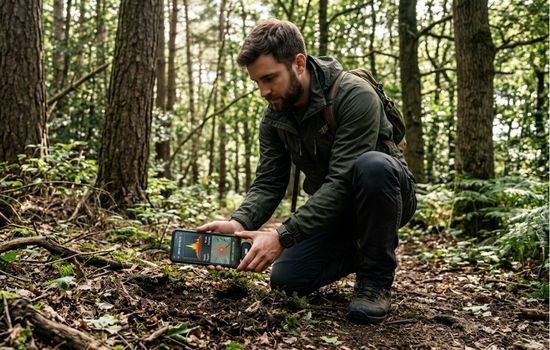
Begin by testing your app in a controlled environment where you’ve placed known metal objects at various locations. This practice session familiarizes you with how readings change as you approach targets and helps you understand your specific phone’s detection characteristics. Try different object sizes, depths, and metal types to establish baseline expectations.
Choose your first real-world detection location carefully—opt for areas with minimal interference and good potential for interesting finds. Sandy beaches, old parks, and school yards often yield coins, jewelry, and other small metal items. Start with manageable search areas rather than attempting to cover vast spaces in your first sessions.
Document your experiences by noting detection settings, environmental conditions, and types of objects found. This detection journal helps you identify patterns, refine your technique, and remember productive locations for future sessions. Over time, you’ll develop intuition about where to search and how to interpret your app’s readings more effectively.
Remember that metal detecting should be enjoyable rather than frustrating. Adjust your expectations to match your equipment’s capabilities, celebrate small successes, and appreciate the outdoor exploration aspect beyond just finding valuable objects. The journey itself offers rewards of fresh air, physical activity, and the excitement of discovery that make metal detector apps worthwhile tools for countless smartphone users.
