

Anúncios
Wi-Fi apps have transformed how we connect to the internet, offering smarter ways to find networks, manage connections, and stay online wherever we go. 📶



In today’s hyper-connected world, having reliable internet access is no longer a luxury—it’s a necessity. Whether you’re traveling abroad, working remotely from a café, or simply trying to conserve your mobile data, Wi-Fi applications have become essential tools in our digital arsenal.
Anúncios
These innovative apps do more than just locate nearby networks. They provide password sharing, connection quality analysis, security features, and even offline maps of available hotspots. Let’s explore how these applications work and why they’ve become indispensable for millions of users worldwide.
🌐 What Exactly Is a Wi-Fi Application?
A Wi-Fi application is a mobile tool designed to help users discover, connect to, and manage wireless internet networks. These apps leverage crowdsourced data, GPS technology, and community contributions to create comprehensive databases of available hotspots around the globe.
Anúncios
Unlike the basic Wi-Fi settings built into your smartphone, dedicated Wi-Fi apps offer advanced features such as network speed testing, security scanning, password repositories, and detailed information about connection quality. Some applications even provide VPN services and eSIM capabilities for enhanced privacy and connectivity options.
The primary appeal of these applications lies in their ability to help users stay connected without draining mobile data allowances or incurring expensive roaming charges. For frequent travelers, digital nomads, and budget-conscious users, these tools have become absolutely essential.
🔍 Key Features That Make Wi-Fi Apps Indispensable
Modern Wi-Fi applications come packed with features that extend far beyond simple network detection. Understanding these capabilities helps you choose the right app for your specific needs.
Network Discovery and Mapping
The core function of any Wi-Fi app is locating available networks in your vicinity. Advanced applications use GPS coordinates to map millions of hotspots worldwide, displaying them on interactive maps that show distance, signal strength, and availability status.
These maps often include user ratings and comments, providing real-world insights about connection reliability, speed, and whether the network actually works as advertised. This crowdsourced information proves invaluable when you’re in an unfamiliar area desperately needing internet access.
Password Sharing and Access
One of the most popular features is the shared password database. Users contribute Wi-Fi credentials for public spaces, cafés, restaurants, hotels, and other locations, creating a global repository of accessible networks.
This feature operates on a community-driven model where users who benefit from shared passwords are encouraged to contribute their own discoveries. The system works on trust and reciprocity, making internet access more democratic and widely available.
Connection Speed Testing
Before committing to a network, especially for important tasks like video calls or file uploads, knowing the connection speed is crucial. Wi-Fi apps typically include built-in speed tests that measure download and upload speeds, latency, and connection stability.
These tests help you identify the best available network when multiple options exist, ensuring you’re always working with optimal connectivity. Some apps even maintain historical data, showing speed trends for specific locations over time.
Security Analysis and Protection
Public Wi-Fi networks pose significant security risks. Quality Wi-Fi applications include security scanning features that detect potentially dangerous networks, warn about unsecured connections, and identify potential man-in-the-middle attacks.
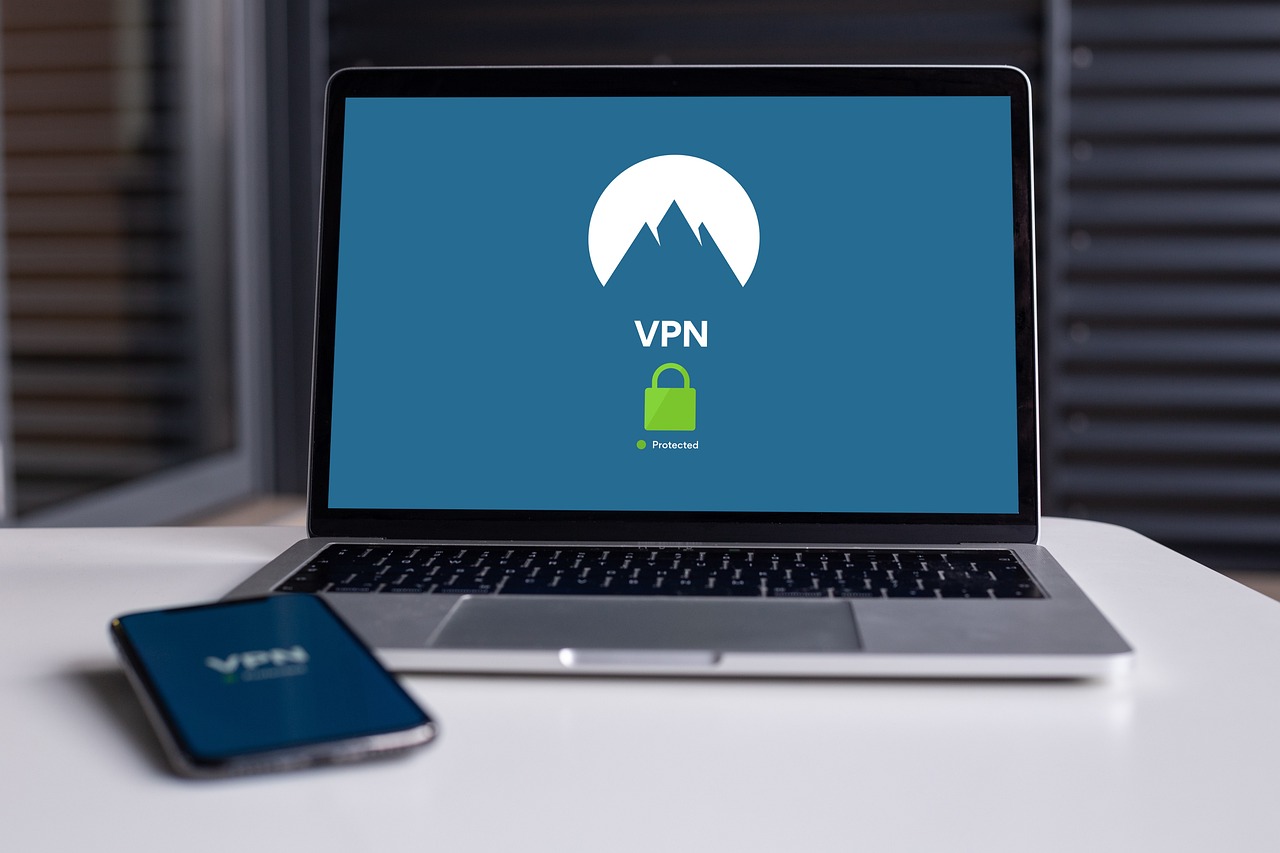
Some premium versions offer integrated VPN services that encrypt your data when using public networks, providing an essential layer of protection for sensitive activities like online banking or accessing work documents.

📱 How Wi-Fi Applications Actually Work
Understanding the technology behind these apps helps appreciate their capabilities and limitations. Wi-Fi applications combine several technologies to deliver their functionality.
At their core, these apps use your device’s built-in Wi-Fi scanning capabilities to detect nearby networks. They then cross-reference detected networks against their databases, which contain information collected from millions of users worldwide.
The GPS functionality pinpoints your exact location, allowing the app to show networks in your immediate vicinity and provide accurate directions to hotspot locations. This combination of Wi-Fi scanning and location services creates the seamless experience users enjoy.
Cloud synchronization ensures that the database remains current. When users add new networks or update information about existing ones, this data syncs to central servers and becomes available to the entire user community almost instantly.
🌍 Perfect Situations for Using Wi-Fi Apps
While Wi-Fi applications prove useful in numerous scenarios, certain situations particularly highlight their value and versatility.
International Travel Adventures
Traveling abroad often means facing expensive international roaming charges or purchasing local SIM cards. Wi-Fi apps provide an alternative by helping you locate free networks in airports, hotels, restaurants, and public spaces.
Many travelers use these apps as their primary connectivity solution, relying on Wi-Fi for navigation, translation services, accommodation bookings, and staying in touch with family back home. The offline map feature ensures you can locate networks even without an active internet connection.
Remote Work and Digital Nomadism
The rise of remote work has created a generation of digital nomads who work from various locations rather than traditional offices. For these professionals, reliable internet access is literally their lifeline to employment.
Wi-Fi apps help remote workers identify cafés, coworking spaces, and public areas with dependable connections suitable for video conferences, file transfers, and other bandwidth-intensive tasks. The ability to check speed ratings before settling in saves valuable time and frustration.
Data Conservation Strategies
Even when not traveling, many users prefer connecting to Wi-Fi networks to preserve their mobile data allowances. Wi-Fi apps make it easy to find free networks in shopping centers, libraries, parks, and other public spaces throughout your daily routine.
This approach not only saves money on data plans but can also provide faster connections for streaming, downloading large files, or updating applications.
🛡️ Privacy and Security Considerations
While Wi-Fi applications offer tremendous convenience, users must remain aware of potential privacy and security implications associated with their use.
Sharing your location data with these apps raises privacy concerns. The applications track where you go and which networks you connect to, creating detailed profiles of your movements and habits. Reviewing privacy policies and adjusting location permissions appropriately helps mitigate these concerns.
The password-sharing feature, while convenient, occasionally raises ethical questions. Some network owners may not intend for their passwords to be publicly shared, even for networks that appear public. Users should exercise judgment and respect property owners’ intentions.
Public networks themselves present security vulnerabilities regardless of how you discover them. Using VPN services, avoiding sensitive transactions on public Wi-Fi, and keeping devices updated with security patches remain essential practices.
💡 Maximizing Your Wi-Fi App Experience
Getting the most value from your Wi-Fi application requires understanding best practices and optimization strategies.
Contribute to the Community
These apps thrive on user contributions. When you discover a new network or find that listed information is outdated, take a moment to update the database. This reciprocity ensures the system works effectively for everyone.
Adding ratings, comments, and photos of locations helps other users make informed decisions about which networks to try. Detailed feedback about connection quality, whether passwords work, and any access restrictions proves invaluable.
Download Offline Maps
Before traveling to areas where you might lack internet access, download offline maps of Wi-Fi hotspots for those regions. This feature ensures you can navigate to known networks even when completely disconnected.
Offline capabilities transform your Wi-Fi app from a convenience into a genuine lifeline during travel emergencies or when arriving in a new city without an active data connection.
Verify Before Connecting
Not every listed network will work as advertised. Passwords change, businesses close, and information becomes outdated. Always check recent user comments and ratings before investing time trying to connect to a specific network.
When you encounter issues, update the listing to help future users avoid the same frustration. This community maintenance keeps the database accurate and reliable.
🚀 Advanced Features in Premium Versions
Many Wi-Fi applications offer premium subscriptions that unlock additional features beyond basic network discovery.
Premium versions often include unlimited VPN usage, providing secure connections on all networks you access. This feature alone can justify the subscription cost for users who frequently work on public Wi-Fi.
eSIM functionality has emerged as a game-changing feature in some Wi-Fi apps. This technology allows you to purchase data plans directly through the app for use in various countries, eliminating the need for physical SIM cards while traveling.
Ad-free experiences, priority customer support, and advanced analytics about your connection patterns represent other common premium benefits. Whether these features justify the cost depends on your usage patterns and connectivity needs.
🔮 The Future of Wi-Fi Connectivity Apps
As technology evolves, Wi-Fi applications continue developing new capabilities that expand their utility and integration into our digital lives.
Artificial intelligence and machine learning are being incorporated to predict network availability, suggest optimal connection times, and automatically select the best network based on your current activity and historical preferences.
Integration with smart city initiatives means future Wi-Fi apps might include municipal network access, parking information, public transportation schedules, and other location-based services all within a single application.
The expansion of Wi-Fi 6 and future Wi-Fi 7 technologies will enable apps to provide more detailed information about network capabilities, helping users identify cutting-edge connections that support higher speeds and handle more simultaneous devices.
Blockchain technology might eventually play a role in creating decentralized Wi-Fi networks where users can monetize their own connections or participate in community-owned internet infrastructure, all managed through Wi-Fi applications.
📊 Comparing Top Wi-Fi Applications
While numerous Wi-Fi apps exist, several have emerged as leaders in the space, each offering unique strengths and features that appeal to different user segments.
Understanding the distinctions between popular options helps you select the application that best matches your specific needs, whether you prioritize database size, security features, interface design, or additional services like eSIM capabilities.
Most leading apps share common core features—network mapping, password sharing, and speed testing—but differ in execution quality, database comprehensiveness, and supplementary features. Reading user reviews and testing multiple options helps identify your ideal solution.
✨ Making the Most of Free Wi-Fi Networks
Once your Wi-Fi app helps you locate networks, knowing how to use them effectively and safely ensures the best experience.
Always verify you’re connecting to legitimate networks. Hackers sometimes create fake hotspots with names similar to legitimate businesses, hoping to intercept user data. Check with staff to confirm the correct network name before connecting.
Avoid accessing sensitive accounts or conducting financial transactions on public networks unless you’re using a VPN. Even password-protected public Wi-Fi can be compromised more easily than private home networks.
Be respectful of network resources, especially in small businesses where you’re using free Wi-Fi. Making a purchase, limiting bandwidth-intensive activities during busy periods, and not occupying space for excessive periods without patronizing the establishment demonstrates courtesy.
🎯 Choosing Your Ideal Wi-Fi Application
With numerous options available, selecting the right Wi-Fi app requires considering your specific needs, usage patterns, and priorities.
Frequent international travelers should prioritize apps with extensive global databases and offline map capabilities. Look for options that include networks in the specific countries you visit most often, as coverage varies significantly between applications.
Privacy-conscious users might prefer apps with strong security features, transparent privacy policies, and integrated VPN services. Research how each app handles user data and what information gets shared with third parties.
Budget-minded users should evaluate whether free versions meet their needs or if premium features justify subscription costs. Many apps offer free trials of premium features, allowing you to test before committing financially.
User interface preferences matter too. Some apps prioritize simplicity and ease of use, while others pack in numerous features that might overwhelm casual users. Download several options and test which interface feels most intuitive for your usage style.
🌟 Transforming Your Connectivity Experience
Wi-Fi applications represent more than just convenient tools—they symbolize the democratization of internet access and the power of community-driven solutions to common problems.
By leveraging collective knowledge and shared resources, these apps help millions of people stay connected, reduce expenses, and navigate our increasingly digital world more effectively. They empower travelers, support remote workers, and provide alternatives for those seeking to minimize mobile data consumption.
As internet connectivity becomes ever more essential to daily life, the role of Wi-Fi applications will only grow. They stand at the intersection of technology, community, and practical problem-solving, representing the kind of innovative solution that improves lives in tangible, meaningful ways.
Whether you’re planning your next international adventure, seeking ways to reduce mobile data costs, or simply want better tools for managing your connectivity, exploring what Wi-Fi applications offer opens new possibilities for how you interact with the digital world. The question isn’t whether you need one of these apps—it’s which one will become your indispensable travel and connectivity companion. 🚀
