
Anúncios
Reintegration ceremonies serve as powerful bridges between past struggles and future possibilities, offering individuals a sacred space to reclaim their place within communities and relationships.

🌱 Understanding the Sacred Space of Reintegration
Throughout human history, communities have recognized the profound need for structured rituals that mark transitions and facilitate healing. Reintegration ceremonies represent one of the most transformative tools available for individuals returning from periods of separation, whether caused by incarceration, military service, addiction recovery, mental health treatment, or extended absences. These ceremonies acknowledge the journey taken while simultaneously creating pathways forward.
Anúncios
The psychological impact of separation from one’s community cannot be overstated. When individuals experience prolonged disconnection from family, friends, and social structures, they often struggle with feelings of alienation and uncertainty about their place in the world. Reintegration ceremonies address this fundamental human need for belonging by creating intentional moments of reconnection.
These rituals function on multiple levels simultaneously. They provide emotional closure to difficult chapters while opening doors to new beginnings. They validate the transformations that occurred during periods of separation while honoring the continuity of relationships that endured. Most importantly, they offer witnesses—family members, friends, and community representatives—an active role in the healing process.
Anúncios
The Neuroscience Behind Ceremonial Healing
Modern neuroscience has begun to illuminate why ceremonial practices hold such transformative power. When individuals participate in meaningful rituals, their brains release oxytocin, often called the “bonding hormone,” which facilitates feelings of trust and connection. This biochemical response creates an optimal environment for rebuilding damaged relationships and establishing new patterns of interaction.
The structured nature of ceremonies also activates the brain’s reward centers, creating positive associations with the reintegration process itself. This neurological reinforcement makes it more likely that participants will continue engaging in prosocial behaviors and maintaining the connections established during the ceremony.
Research in trauma psychology demonstrates that rituals provide a sense of control and predictability that can be especially healing for individuals who have experienced disruption and chaos. The ceremonial framework offers psychological safety, allowing participants to explore vulnerable emotions while maintaining a sense of containment and support.
✨ Cultural Wisdom and Traditional Practices
Indigenous communities worldwide have long understood the necessity of reintegration ceremonies. Native American traditions include specific rituals for warriors returning from battle, recognizing that those who have witnessed violence need structured support to resume peaceful community life. These ceremonies often involve cleansing rituals, storytelling circles, and symbolic acts that mark the transition from one state of being to another.
African tribal traditions similarly emphasize communal participation in welcoming back individuals who have been separated from the group. Through dance, music, and shared meals, these ceremonies reinforce social bonds while providing returning members with tangible evidence of their continued importance to the collective.
Asian cultures incorporate elements of ancestor veneration and spiritual cleansing into reintegration practices, acknowledging both the visible and invisible dimensions of belonging. These ceremonies often include offerings, prayers, and blessings that invoke protective energies and reestablish harmonious relationships with both living community members and ancestral spirits.
Modern Applications in Contemporary Settings
Today’s reintegration ceremonies draw upon this rich cultural heritage while adapting to contemporary contexts. Veterans’ organizations have developed homecoming rituals that help military personnel transition from combat zones to civilian life. These ceremonies often include recognition of service, opportunities for storytelling, and symbolic actions that represent laying down weapons and taking up peacetime roles.
Recovery communities have embraced ceremonial practices as essential components of healing from addiction. Milestone celebrations, chip ceremonies, and recovery anniversaries provide regular opportunities for reintegration and recommitment to sobriety. These gatherings strengthen support networks while publicly acknowledging personal transformation.
The criminal justice reform movement has increasingly recognized the value of reintegration ceremonies for formerly incarcerated individuals. Rather than simply releasing people back into communities without support or recognition, progressive programs now incorporate welcome-home ceremonies that involve family members, mentors, and community leaders in creating positive reentry experiences.
🎯 Essential Elements of Effective Ceremonies
While reintegration ceremonies can take many forms, research and practice have identified several core elements that enhance their transformative potential:
- Intentional Space Creation: Designating a specific physical location and time frame signals the importance of the occasion and helps participants mentally prepare for meaningful engagement.
- Witness Presence: Including important people in the individual’s life provides validation and demonstrates community investment in their successful reintegration.
- Narrative Opportunity: Allowing the returning person to share their story acknowledges their experiences and helps others understand their journey.
- Symbolic Actions: Physical gestures like lighting candles, exchanging objects, or performing movements create memorable anchors for the internal shifts being recognized.
- Future Visioning: Ceremonies should balance acknowledgment of the past with excitement about future possibilities, helping participants orient toward growth and possibility.
- Collective Commitment: Having witnesses articulate their support and willingness to assist in the reintegration process creates accountability and reinforces social bonds.
Designing Personalized Reintegration Rituals
The most powerful ceremonies are those tailored to individual circumstances and cultural backgrounds. A veteran’s homecoming ceremony will differ significantly from a recovery milestone celebration or a family reconciliation ritual. However, the design process follows similar principles regardless of context.
Begin by identifying the key themes of the individual’s journey. What challenges did they face? What strengths did they discover? What relationships need healing? What new identities are emerging? These questions help determine the ceremonial elements that will resonate most deeply.
Consider who should participate. While larger gatherings can provide powerful community affirmation, sometimes intimate ceremonies with only closest family members or friends create the safety necessary for deep emotional work. The size should match the individual’s comfort level and the specific purposes of the ceremony.
Select symbols and actions that carry personal meaning. These might include religious or spiritual elements, cultural traditions, natural objects with significance, or creative expressions like music, art, or poetry. The more authentic these elements feel to the individual’s identity and values, the more powerful their impact will be.
💫 The Role of Storytelling in Reconnection
Narrative therapy research confirms that how we tell our stories shapes how we understand our lives and identities. Reintegration ceremonies provide structured opportunities for individuals to revise their personal narratives in ways that emphasize growth, resilience, and possibility rather than shame, failure, or limitation.
When returning individuals share their experiences within the ceremonial container, they often discover new meanings and perspectives. The presence of supportive witnesses helps them recognize strengths they might have overlooked and reframe challenges as opportunities for learning rather than evidence of unworthiness.
Equally important is creating space for family members and community participants to share their experiences of the separation and their hopes for the future. These parallel narratives acknowledge that everyone involved has been affected by the absence and everyone has a stake in successful reintegration.
Addressing Common Challenges and Resistance
Despite their potential benefits, reintegration ceremonies sometimes encounter skepticism or resistance. Some individuals feel uncomfortable with public attention or ritualized practices, preferring to “just get back to normal.” Others may fear that ceremonies will feel forced or artificial rather than genuinely meaningful.
These concerns deserve respectful attention. The key is ensuring that ceremonies remain voluntary and adaptable rather than prescribed and rigid. When individuals have agency in designing their own reintegration experiences, resistance typically diminishes and engagement deepens.
Some families worry about acknowledging difficult pasts or bringing attention to circumstances they view as shameful. Educational conversations about the healing power of acknowledgment versus the corrosive effects of secrecy can help shift these perspectives. Emphasizing that ceremonies focus on present strengths and future possibilities rather than dwelling on past mistakes often helps families embrace the process.
🌟 Long-Term Impact and Sustained Connection
While reintegration ceremonies create powerful moments of reconnection, their ultimate value lies in catalyzing sustained relationship changes. Research on ritual efficacy suggests that ceremonies work best when embedded within broader support systems and followed by ongoing practices that reinforce the connections established.
Participants often report that having witnessed a reintegration ceremony makes them more conscious of their role in the individual’s ongoing success. The ceremony creates a shared reference point that can be revisited during challenging times, reminding everyone of the commitments made and the progress achieved.
Many communities establish follow-up practices such as regular check-in circles, mentorship relationships, or anniversary celebrations that maintain the momentum generated by initial reintegration ceremonies. These ongoing rituals prevent the ceremonial experience from becoming an isolated event and instead integrate it into continuous relationship cultivation.
Professional Facilitation Versus Community-Led Approaches
Questions often arise about whether reintegration ceremonies require professional facilitation or can be successfully led by community members. The answer depends largely on the complexity of the situation and the resources available.
Trained facilitators bring expertise in ritual design, group process, and trauma-informed practices that can be especially valuable in high-stakes situations or when relationships have been severely damaged. They provide neutral leadership that allows all participants to focus on engagement rather than logistics.
However, community-led ceremonies often carry their own unique power precisely because they emerge from authentic relationships rather than professional services. When community elders, religious leaders, or respected family members guide reintegration rituals, they draw upon existing trust and cultural knowledge that outsiders cannot replicate.
Many successful approaches combine professional consultation during the design phase with community leadership during implementation. This hybrid model ensures thoughtful structure while preserving authentic relational dynamics.
🔄 Ceremony as Gateway to Systemic Change
Individual reintegration ceremonies often catalyze broader awareness of systemic issues that create barriers to belonging. When communities regularly witness the challenges people face returning from incarceration, treatment, or military service, they become motivated to address policy gaps and institutional obstacles.
Progressive organizations are incorporating reintegration ceremonies into advocacy efforts, using these powerful moments to educate stakeholders about the need for criminal justice reform, veteran support services, mental health resources, and addiction treatment programs. The personal stories shared in ceremonies humanize abstract policy debates and build political will for change.
At their best, reintegration ceremonies don’t just help individuals adapt to existing systems—they inspire communities to create more welcoming, supportive systems that reduce the need for difficult reintegration in the first place.
Measuring Success Beyond Traditional Metrics
Evaluating the effectiveness of reintegration ceremonies requires moving beyond conventional outcome measures. While tracking recidivism rates, employment statistics, or substance use patterns provides valuable data, these metrics miss much of what makes ceremonies transformative.
Qualitative indicators like strengthened family relationships, increased sense of belonging, enhanced self-worth, and expanded support networks often prove more relevant to participants’ experiences. Post-ceremony interviews consistently reveal that individuals value feeling seen, accepted, and welcomed above any tangible material outcomes.
The ripple effects of ceremonies extend beyond direct participants to entire communities. When neighborhoods embrace structured reintegration practices, they often experience broader increases in social cohesion, collective efficacy, and community resilience that benefit everyone.
🌈 Creating Inclusive Ceremonies for Diverse Populations
Effective reintegration ceremonies honor the full diversity of human experience, including differences in culture, religion, gender identity, sexual orientation, ability, and neurodiversity. What feels healing and meaningful varies dramatically across these dimensions, requiring thoughtful customization rather than one-size-fits-all approaches.
For LGBTQ+ individuals, reintegration ceremonies might involve chosen family rather than biological relatives, and they may need to explicitly address identity affirmation that other ceremonies assume. For people with disabilities, accessibility considerations must be built into every aspect of the ceremonial design.
Cross-cultural ceremonies require particular sensitivity, especially when individuals are reintegrating into communities different from those they left. These situations call for cultural brokers who can help navigate differences while finding common ground in universal human needs for belonging and connection.
The Future of Reintegration Practices
As understanding of trauma, attachment, and social connection continues to evolve, reintegration ceremonies are likely to become more widespread and sophisticated. Emerging research in interpersonal neurobiology, attachment theory, and collective healing provides increasingly solid foundations for these practices.
Technology offers new possibilities for including geographically distant participants through video connections while raising questions about the importance of physical co-presence in ceremonial contexts. The challenge lies in leveraging technological tools without sacrificing the embodied, sensory richness that makes in-person rituals so powerful.
Perhaps most promising is the growing recognition across sectors—criminal justice, healthcare, education, military, corporate—that belonging matters profoundly to human wellbeing and institutional success. As this awareness deepens, reintegration ceremonies are moving from margins to mainstream, from alternative practices to evidence-based interventions.
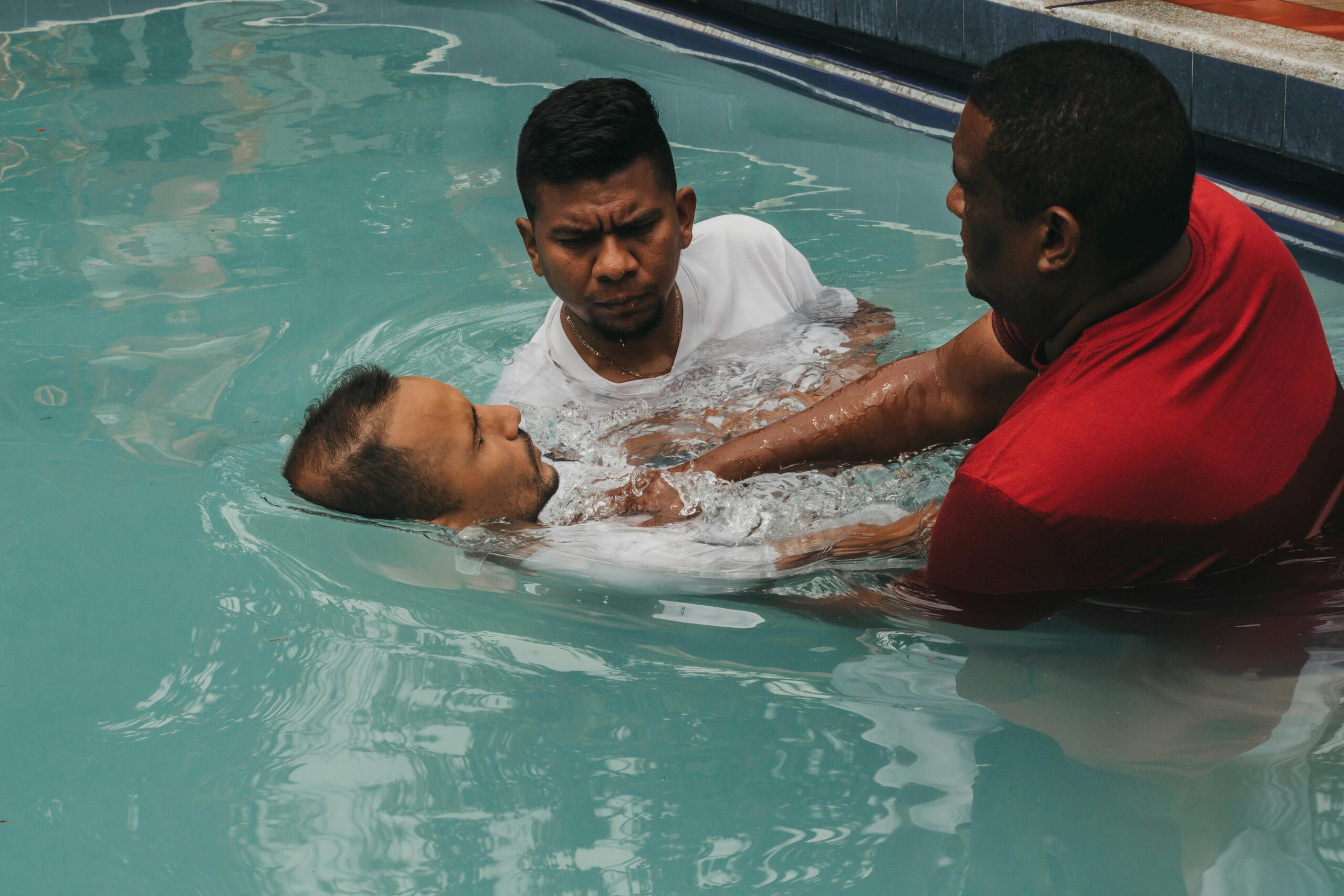
💝 The Heart of Human Connection
Ultimately, reintegration ceremonies remind us that belonging is not a luxury but a fundamental human need. When individuals experience prolonged disconnection from community, something essential breaks. These ceremonies provide structured opportunities for repair, creating sacred spaces where relationships can be renewed and bonds rebuilt.
The transformative power of these rituals lies not in complex techniques or elaborate productions but in simple human acts: showing up for each other, bearing witness to difficult journeys, offering acceptance despite imperfection, and committing to shared futures. In our increasingly fragmented world, such acts of intentional reconnection become radical gestures of hope.
As more communities embrace reintegration ceremonies, we move closer to a world where separation never means permanent exile, where mistakes don’t define entire lives, and where belonging remains possible even after profound ruptures. This is the true promise of ceremonial reintegration—not just helping individuals adapt to existing communities but transforming communities themselves into spaces of radical welcome and sustained support.
