
Anúncios
Metal detector apps have revolutionized how we search for hidden treasures, lost items, and metallic objects using nothing more than our smartphones.

The technology behind these applications leverages the magnetic sensors already built into modern smartphones, transforming your device into a functional metal detector. While they may not replace professional-grade equipment used by serious treasure hunters, these apps offer surprising accuracy for everyday purposes.
Anúncios
Whether you’re searching for lost jewelry in your backyard, locating metal studs behind walls during home renovation, or simply exploring the fascinating world of metal detection as a hobby, these applications provide an accessible entry point without requiring expensive equipment or specialized training.
🔍 How Metal Detector Apps Actually Work
The science behind metal detector applications is both simple and impressive. Every smartphone manufactured today contains a magnetometer—a sensor originally designed to power compass applications and assist with navigation. This same sensor can detect changes in magnetic fields caused by ferrous metals nearby.
Anúncios


When you open a metal detector app, it activates your phone’s magnetometer and begins monitoring ambient magnetic field readings. The baseline measurement typically ranges between 25 to 65 microteslas (µT) depending on your location and environmental factors.
As you move your smartphone near metallic objects, particularly those containing iron, steel, or other ferromagnetic materials, the magnetic field strength increases. The app translates these changes into visual indicators, audible alerts, or numerical readings that help you identify the presence and approximate location of metal objects.
Most advanced metal detector apps display real-time graphs showing magnetic field fluctuations, making it easier to distinguish between minor interference and genuine metal detection. Some applications even offer sensitivity adjustments, allowing users to fine-tune the detection range based on their specific needs.
📱 Key Features That Define Quality Detection Apps
Not all metal detector applications are created equal. The best ones incorporate several essential features that significantly enhance user experience and detection accuracy.
Real-Time Magnetic Field Measurement
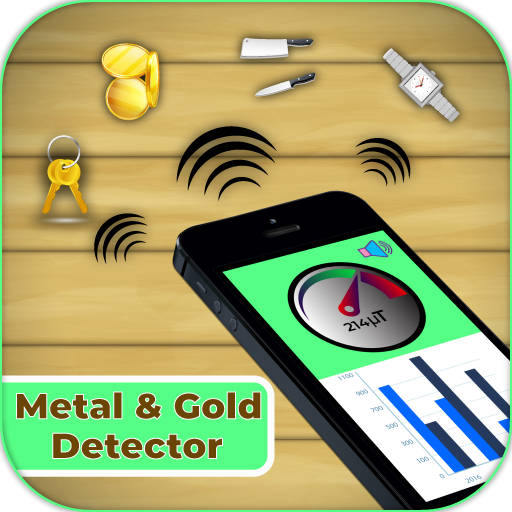
Premium applications display continuous magnetic field readings in microteslas, giving users precise numerical data rather than vague indicators. This feature proves invaluable when you need exact measurements for construction projects or when documenting your finds.
Visual and Audio Alerts
Effective apps combine visual indicators—such as color changes from green to red—with adjustable sound alerts that intensify as you approach metallic objects. This dual-feedback system allows you to focus on your surroundings rather than constantly watching your screen.
Calibration Options
Environmental magnetic interference varies by location. Quality apps include calibration features that let you establish a baseline reading for your current environment, reducing false positives and improving detection accuracy.
Historical Data and Graphing
Advanced applications record your detection sessions, creating graphs that display magnetic field variations over time. This feature helps users identify patterns and distinguish between different types of metallic objects based on their magnetic signatures.
User-Friendly Interface
The best metal detector apps balance functionality with simplicity. Clean, intuitive interfaces ensure that even beginners can start detecting immediately without navigating complex menus or reading lengthy tutorials.
💡 Practical Applications for Everyday Life
Metal detector applications serve purposes far beyond recreational treasure hunting. Their versatility makes them valuable tools for various everyday situations.
Home Improvement and Construction
Before drilling into walls, contractors and DIY enthusiasts use these apps to locate hidden metal studs, pipes, electrical wiring, and nails. This simple precaution prevents costly mistakes and potential safety hazards during renovation projects.
Recovering Lost Items
Losing metal objects in grass, sand, or carpet happens more often than we’d like. Metal detector apps excel at locating lost keys, earrings, coins, and other small metallic items that would otherwise require extensive manual searching.
Security Screening
Some users employ metal detector apps for basic security purposes, checking packages or screening areas for unwanted metallic objects. While not suitable for professional security applications, they provide a quick preliminary check.
Educational Purposes
Teachers and parents use these applications to demonstrate magnetic field principles, conducting hands-on science experiments that make physics concepts tangible and engaging for students.
Geological Exploration
Amateur geologists and rock collectors utilize metal detector apps to identify areas with higher concentrations of metallic minerals, helping guide their exploration efforts and sample collection.
🎯 Tips for Maximizing Detection Accuracy
Getting optimal results from your metal detector app requires understanding both the technology’s capabilities and its limitations. Follow these practical tips to improve your detection success rate.
Remove Phone Cases and Accessories: Magnetic phone cases, metal rings, and pop sockets interfere with sensor readings. Remove these items before activating the detector to ensure accurate measurements.
Calibrate in Each New Location: Magnetic field strength varies significantly between environments. Always calibrate your app when moving to a new search area to establish an accurate baseline.
Move Slowly and Methodically: Sweeping your phone too quickly prevents the magnetometer from registering subtle field changes. Maintain a steady, deliberate pace for better results.
Position Your Phone Correctly: Most smartphone magnetometers are located near the top edge or rear camera module. Positioning this area closest to your search surface maximizes sensitivity.
Understand Detection Limitations: Smartphone magnetometers detect ferromagnetic metals effectively but struggle with aluminum, copper, gold, and silver, which have minimal magnetic properties. Adjust your expectations accordingly.
Minimize Electromagnetic Interference: Electronic devices, power lines, and metal furniture create magnetic interference. Search in areas away from these sources when possible.
Use Grid Search Patterns: Systematic grid patterns ensure thorough coverage of search areas, reducing the chance of missing targets.
⚡ Understanding Detection Range and Depth Limitations
Setting realistic expectations about what smartphone metal detectors can achieve prevents disappointment and helps users apply the technology appropriately.
Most metal detector apps reliably detect ferrous metals within 3 to 6 inches of the phone’s sensor. Detection range depends on several factors including object size, metal composition, soil conditions, and sensor quality.
Larger objects like pipes, rebar, or buried tools may trigger readings at slightly greater distances, while small items like earrings or thin wires require near-contact proximity for detection.
Professional metal detectors using electromagnetic induction technology can penetrate several feet into the ground, making them substantially more powerful than smartphone-based solutions. However, for surface-level detection and everyday use, mobile apps provide sufficient capability without the investment and bulk of dedicated equipment.
Understanding these limitations helps users select the right tool for their specific needs—whether that’s a smartphone app for casual use or investing in professional equipment for serious treasure hunting or archaeological work.
🛠️ Comparing App-Based Detection to Professional Equipment
The distinction between smartphone metal detector apps and professional-grade equipment helps users make informed decisions about which solution best serves their purposes.
Professional metal detectors employ electromagnetic induction, transmitting electromagnetic fields into the ground and analyzing the returning signals. This technology enables deeper penetration, better discrimination between metal types, and adjustable frequency settings for different soil conditions.
These dedicated devices typically cost between $200 and $2,000 for consumer models, with professional archaeological and industrial units ranging into thousands of dollars. They feature waterproof construction, ergonomic designs, and sophisticated target identification systems.
Smartphone apps, conversely, cost nothing or just a few dollars and require no additional equipment beyond your existing phone. They excel at convenience, portability, and accessibility for casual users who need occasional metal detection capabilities.
For serious treasure hunters, contractors regularly working in construction, or anyone requiring depth detection beyond surface levels, professional equipment remains the superior choice. For homeowners, hobbyists, and anyone needing quick metal location assistance, apps provide remarkable functionality at virtually no cost.
🌟 Privacy and Permission Considerations
When downloading metal detector applications, understanding the permissions they request helps protect your privacy and device security.
Legitimate metal detector apps require access to your phone’s magnetic sensor—a standard permission that poses minimal privacy risk. Some applications also request location permissions to help users log their detection sites and return to productive search areas.
Be cautious of apps requesting excessive permissions unrelated to their stated function, such as access to contacts, cameras, microphones, or text messages. These permissions may indicate data harvesting practices or questionable app integrity.
Reading user reviews before downloading helps identify apps with privacy concerns, excessive advertising, or misleading functionality claims. Established apps with thousands of reviews and regular updates generally offer more reliable performance and better privacy practices.
📊 Accuracy Factors and Environmental Influences
Multiple environmental factors affect metal detector app accuracy, and understanding these variables helps users interpret readings correctly.
Geological formations containing iron-rich minerals create naturally elevated magnetic field readings. Searching in these areas produces more false positives, requiring users to distinguish between natural magnetism and actual metal objects.
Urban environments present challenges due to abundant metal infrastructure—reinforced concrete buildings, underground utilities, and nearby vehicles all contribute to complex magnetic signatures that can mask smaller targets.
Weather conditions minimally affect magnetic sensors directly, but extreme temperatures may impact phone battery performance and screen visibility. Moisture poses risks to non-waterproof phones, limiting outdoor use during rain or near water.
Electromagnetic interference from power lines, transformers, radio towers, and electronic devices creates magnetic field fluctuations unrelated to metal objects. Recognizing these interference patterns through experience improves detection accuracy over time.
🎓 Learning Curve and Skill Development
Mastering metal detector apps requires practice and patience, but the learning curve remains relatively gentle compared to professional equipment operation.
New users typically achieve basic proficiency within minutes, successfully locating obvious metal objects with little difficulty. However, developing skills to distinguish between different metal types, filter interference, and optimize search strategies takes several hours of practice.
Experienced users learn to interpret subtle reading variations, identifying characteristic signatures of different metals and object sizes. They develop efficient search patterns, understand optimal phone positioning, and recognize environmental factors affecting accuracy.
Regular practice in various environments—indoors, outdoors, different soil types, and urban settings—accelerates skill development and builds confidence in interpreting app readings accurately.
🔐 Safety Considerations When Using Detection Apps
While metal detecting seems inherently safe, several precautions ensure positive experiences and prevent potential problems.
Always obtain permission before searching on private property. Trespassing charges and legal complications far outweigh any potential finds. Public parks, beaches, and designated recreation areas typically welcome metal detecting, but verify local regulations before beginning.
Watch for underground utilities when detecting near buildings or developed areas. While apps help locate metal objects, they don’t indicate whether those objects are harmless coins or critical infrastructure like gas lines or electrical cables.
Protect your phone from damage during detection activities. Consider waterproof cases for beach searches, and avoid dropping your device while focused on readings rather than footing.
Be aware of your surroundings, especially when using headphones for audio alerts. Focusing intently on your phone screen may reduce awareness of traffic, other people, or potential hazards in your environment.
🚀 Future Developments in Smartphone Detection Technology
As smartphone technology evolves, metal detector applications will likely incorporate new capabilities that enhance accuracy and functionality.
Improved magnetometer sensitivity in next-generation phones will enable detection of smaller objects at greater distances, narrowing the performance gap between apps and entry-level professional detectors.
Artificial intelligence integration may help apps automatically distinguish between different metal types based on magnetic signature patterns, reducing false positives and providing more detailed target information.
Augmented reality features could overlay detection data onto camera views, creating visual indicators showing exact metal locations in real-time camera feeds rather than abstract graphs and numbers.
Multi-sensor fusion, combining magnetometer data with other phone sensors like LiDAR, radar, or enhanced depth sensors, might enable detection of non-ferrous metals currently invisible to magnetic field measurements.
Cloud-based databases could let users share productive detection locations, creating collaborative maps highlighting areas with interesting finds while respecting privacy and legal considerations.
✨ Making the Most of Your Detection Experience
Transforming metal detection from occasional utility into an engaging hobby requires the right mindset and approach.
Start with realistic expectations, understanding that most searches won’t uncover valuable treasures but will develop skills and provide outdoor activity. Celebrate small successes—recovering lost items, finding interesting artifacts, or simply enjoying time outdoors.
Document your finds through photos and notes, creating a personal record of your detection journey. This practice adds meaning to your searches and lets you track skill progression over time.
Join online communities dedicated to metal detecting, where enthusiasts share tips, successful techniques, and interesting discoveries. These communities provide motivation, answer questions, and foster connections with people sharing your interests.
Consider combining metal detecting with other outdoor activities like hiking, beachcombing, or photography. This integration makes each outing more varied and interesting while increasing the likelihood of finding metal objects in diverse environments.
Remember that responsible detecting includes properly filling holes, removing trash metals from search areas, and respecting the environment. Leaving areas cleaner than you found them ensures continued access and maintains positive relationships with property owners and communities.
Metal detector apps democratize a fascinating hobby, putting detection capabilities in everyone’s pocket without significant financial investment. While they’ll never fully replace professional equipment for serious enthusiasts, these applications offer remarkable functionality for casual users, practical utility for homeowners and contractors, and an accessible introduction to the intriguing world of metal detection. Download an app today and discover what hidden metallic treasures surround you in daily life. 🔍✨
