
Anúncios
Metal detector apps turn your smartphone into a powerful tool for finding hidden treasures, lost items, and metallic objects anywhere you go.

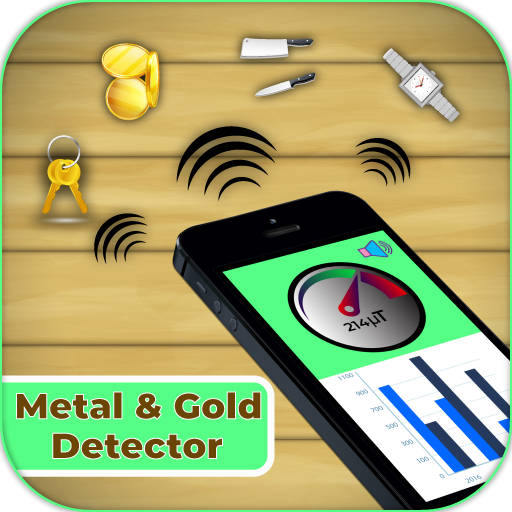
The concept of carrying a metal detector in your pocket seemed impossible just a few years ago. Today, advanced smartphone sensors make it possible to detect metallic objects without specialized equipment. These apps leverage the magnetometer sensor built into modern smartphones, transforming an everyday device into a functional detection tool.
Anúncios


Whether you’re searching for lost jewelry at the beach, locating studs behind walls during home renovation, or simply exploring your backyard for hidden surprises, metal detector apps offer convenience and accessibility. Understanding how these applications work and their practical limitations helps you make the most of this fascinating technology.
🔍 How Metal Detector Apps Actually Work
Metal detector apps rely on your smartphone’s built-in magnetometer sensor. This sensor originally helps your phone determine its orientation for compass apps and navigation. When metal comes near the magnetometer, it disrupts the natural magnetic field, causing measurable changes in the sensor readings.
Anúncios
The app constantly monitors these magnetic field fluctuations. As you move your phone closer to metal objects, the magnetic field strength increases, triggering visual and audio alerts. Most apps display readings in microteslas (μT), the standard unit for measuring magnetic field strength.
Not all smartphones contain equally sensitive magnetometers. Flagship devices typically feature higher-quality sensors that detect smaller metallic objects from greater distances. Budget phones may still function adequately for basic detection tasks, though with reduced sensitivity and accuracy.
Environmental factors significantly impact performance. Electronic devices, electrical wiring, and reinforced concrete structures create magnetic interference. Using the app outdoors in open spaces generally produces more reliable results than indoor environments filled with electronic equipment and metal structural elements.
💎 Finding Lost Valuables With Your Phone
One of the most practical applications involves recovering lost metal items. Keys, jewelry, coins, and other small metallic objects often disappear into couch cushions, beneath sand at beaches, or under layers of grass in yards. A metal detector app helps narrow the search area considerably.
Start by calibrating the app in an area free from metal objects. This establishes a baseline reading for the natural magnetic field. Then systematically scan the suspected area, moving slowly and methodically. The app alerts you when detecting anomalies, indicating possible metal presence.
Beach searches require patience and systematic coverage. Sand can hide objects at various depths, and wet sand sometimes affects readings. Moving in grid patterns ensures thorough coverage. Many successful treasure hunters report finding coins, rings, and other valuables using smartphone apps combined with persistence.
Indoor searches benefit from understanding your home’s construction. Metal pipes, electrical conduits, and HVAC ducts create strong signals that may overwhelm readings from smaller objects. Learning to distinguish between structural metals and lost items improves success rates over time.
🏠 Home Improvement and Construction Applications
Contractors and DIY enthusiasts increasingly use metal detector apps for wall scanning. Finding studs, pipes, and electrical wiring before drilling prevents costly mistakes and potential hazards. While dedicated stud finders offer greater precision, smartphone apps provide convenient alternatives for quick checks.
Before hanging heavy frames, shelves, or mounting televisions, scan the wall area thoroughly. The app helps identify studs behind drywall, which provide secure mounting points. It also reveals hidden pipes and wiring that could cause serious problems if accidentally penetrated.
Renovation projects benefit from pre-demolition scanning. Understanding what lies behind walls, floors, and ceilings prevents surprises during construction. This knowledge helps plan work more effectively and avoid unexpected expenses from damaged utilities.
Gardening and landscaping projects also utilize metal detection. Before digging, scan the area for buried pipes, cables, or irrigation systems. This precaution prevents damage to underground utilities and saves significant repair costs. Some property owners discover forgotten buried items or property markers using these apps.
📱 Top Features to Look for in Detection Apps
Effective metal detector apps share several key features that enhance functionality and user experience. A clear, intuitive interface displaying real-time measurements helps users quickly interpret readings. Visual indicators showing magnetic field strength through color changes or needle movements provide immediate feedback.
Audio alerts complement visual displays, allowing hands-free operation. Adjustable sensitivity settings let users fine-tune detection parameters for different scenarios. Higher sensitivity detects smaller objects but increases false positives from environmental interference.
Calibration functions prove essential for accurate readings. Quality apps allow users to reset baseline measurements, accounting for location-specific magnetic variations. This feature significantly improves detection accuracy in different environments.
Data logging capabilities benefit serious users who want to track finds or map detection areas. Some advanced apps record GPS coordinates alongside magnetic readings, creating searchable databases of previous scans. Historical data helps identify productive locations worth revisiting.
⚡ Understanding Limitations and Realistic Expectations
While metal detector apps offer impressive functionality, they cannot match dedicated metal detecting equipment. Professional detectors use specialized coils and advanced circuitry designed specifically for metal detection, achieving much greater depth penetration and discrimination capabilities.
Smartphone apps typically detect metal objects within a few inches of the device. Dedicated detectors find items buried several feet underground. For casual use and surface-level detection, apps perform admirably. Serious treasure hunting or archaeological work requires professional equipment.
Material composition affects detection ability. Ferromagnetic metals like iron and steel create stronger magnetic signatures than non-ferromagnetic metals such as aluminum, copper, or gold. Apps may struggle detecting precious metals unless they’re quite close to the sensor.
Battery consumption becomes a consideration during extended use. Constant sensor monitoring drains smartphone batteries faster than typical usage. Carrying a portable charger ensures uninterrupted detection during longer sessions. Some apps include battery-saving modes that reduce scan frequency.
🌍 Creative and Unexpected Uses
Beyond conventional applications, creative users discover innovative ways to employ metal detector apps. Science educators use them to teach students about magnetism and electromagnetic fields. Interactive demonstrations showing how different metals affect magnetic readings make physics concepts tangible and engaging.
Geocaching enthusiasts incorporate metal detection into treasure hunt strategies. Many geocaches contain metal components or are hidden near metallic landmarks. Combining GPS coordinates with metal detection increases find rates, especially in challenging terrain.
Security-conscious individuals scan hotel rooms and rental properties for hidden devices. While not foolproof, metal detector apps can identify suspicious metallic objects concealed in unusual locations. This application gained popularity as privacy concerns increased in the digital age.
Archaeological hobbyists use apps during casual explorations, though they respect local laws regarding artifact collection. Historical sites often contain buried metal fragments that tell stories about past inhabitants. Discovering old nails, buttons, or tools connects people with history in tangible ways.
🎯 Maximizing Detection Success
Achieving optimal results requires technique development and environmental awareness. Move your phone slowly and steadily during scans, maintaining consistent height above the search surface. Rapid movements create erratic readings that reduce accuracy.
Overlap your scan paths slightly to ensure complete coverage. Missing strips between passes means potentially overlooking targets. Imagine mowing a lawn—thorough, overlapping rows produce better results than random patterns.
Time of day affects certain detection scenarios. Early morning or late evening scanning sometimes produces clearer readings due to reduced electromagnetic interference from active electronic devices and power consumption patterns.
Practice in controlled environments builds skill. Hide various metal objects around your home or yard, then practice locating them. This exercise helps you recognize genuine signals versus background noise. Understanding your app’s behavior in familiar settings translates to better performance in the field.
🔧 Troubleshooting Common Issues
Users occasionally experience frustrating problems with metal detector apps. Erratic readings or constant false positives often stem from nearby electromagnetic interference. Moving away from electronic devices, power lines, or large metal structures usually resolves these issues.
If the app shows no response to metal, verify that your phone contains a functioning magnetometer. Some budget smartphones lack this sensor entirely. Settings menus or sensor testing apps confirm sensor presence and operation.
Calibration problems create consistently inaccurate readings. Recalibrating in an open, metal-free area reestablishes proper baseline measurements. Performing calibration before each detection session ensures optimal performance.
App crashes or performance issues may indicate insufficient device resources. Closing background applications frees memory and processing power. Keeping your operating system and apps updated prevents compatibility problems that cause instability.
🌟 The Future of Smartphone Detection Technology
Technological advancement continues improving smartphone sensor capabilities. Future devices will likely feature more sensitive magnetometers capable of detecting smaller objects from greater distances. Enhanced processing power enables more sophisticated signal analysis and noise filtering.
Artificial intelligence integration promises revolutionary improvements. Machine learning algorithms could distinguish between different metal types, estimate object size and depth, and filter environmental interference more effectively. These advances blur the line between smartphone apps and professional equipment.
Augmented reality features may overlay detection data onto camera views, showing users exactly where detected objects lie in their field of vision. This intuitive interface makes metal detection more accessible to beginners while providing powerful visualization tools for experienced users.
Cross-platform integration with wearable devices opens new possibilities. Smartwatches providing haptic feedback during detection allow truly hands-free operation. Smart glasses could display detection data without requiring users to look at phone screens, improving safety and convenience.
💡 Making the Right App Choice for Your Needs
Selecting the ideal metal detector app depends on your specific use case and priorities. Casual users seeking occasional assistance finding lost items prioritize simplicity and ease of use. Professional contractors require accuracy and advanced features like measurement logging.
Free applications typically include advertisements and limited features. They work adequately for basic detection needs. Premium versions eliminate ads and unlock advanced capabilities like sensitivity adjustment, data export, and enhanced calibration options.
Reading user reviews provides valuable insights into real-world performance. Look for feedback from users with similar devices and use cases. Common complaints across multiple reviews indicate genuine limitations worth considering.
Testing multiple apps helps identify which interface and feature set suits your preferences. Most apps offer free versions or trial periods. Experimenting with several options before committing to a purchase ensures satisfaction with your final choice.
🎓 Learning Resources and Community Support
Online communities dedicated to metal detecting welcome smartphone app users. Forums and social media groups share tips, success stories, and advice for maximizing app performance. Experienced members often help troubleshoot problems and recommend optimal settings for specific scenarios.
Video tutorials demonstrate proper scanning techniques and interpretation of app readings. Visual instruction clarifies concepts that written descriptions struggle to convey. Many app developers maintain YouTube channels featuring educational content and advanced usage tips.
Local metal detecting clubs sometimes organize events where smartphone users can learn alongside traditional detector enthusiasts. These gatherings provide opportunities to compare technologies, share experiences, and develop skills under experienced guidance.
Experimentation remains the best teacher. Each detection session builds practical knowledge about your app’s capabilities and limitations. Documenting your experiences—successful finds, challenging conditions, and lessons learned—accelerates skill development and deepens understanding.

🚀 Transforming Your Smartphone Into a Detection Tool
Metal detector apps represent an excellent example of innovative repurposing of existing smartphone technology. They demonstrate how creative software development unlocks hidden potential in devices we carry daily. While not replacing specialized equipment for serious applications, these apps provide genuine utility for numerous everyday scenarios.
The accessibility of metal detection through smartphone apps democratizes technology previously requiring dedicated, expensive equipment. Anyone with a compatible smartphone can explore this fascinating capability without significant financial investment. This accessibility encourages experimentation, learning, and discovery.
From practical home improvement tasks to treasure hunting adventures, metal detector apps add valuable functionality to your smartphone toolkit. Understanding their operation, recognizing their limitations, and developing proper technique ensures you extract maximum value from this clever technology. Download an app today and discover what hidden metallic mysteries await in your surroundings.
