
Anúncios
DJ apps have revolutionized music mixing, turning smartphones and tablets into powerful creative tools that put professional-grade features right at your fingertips.


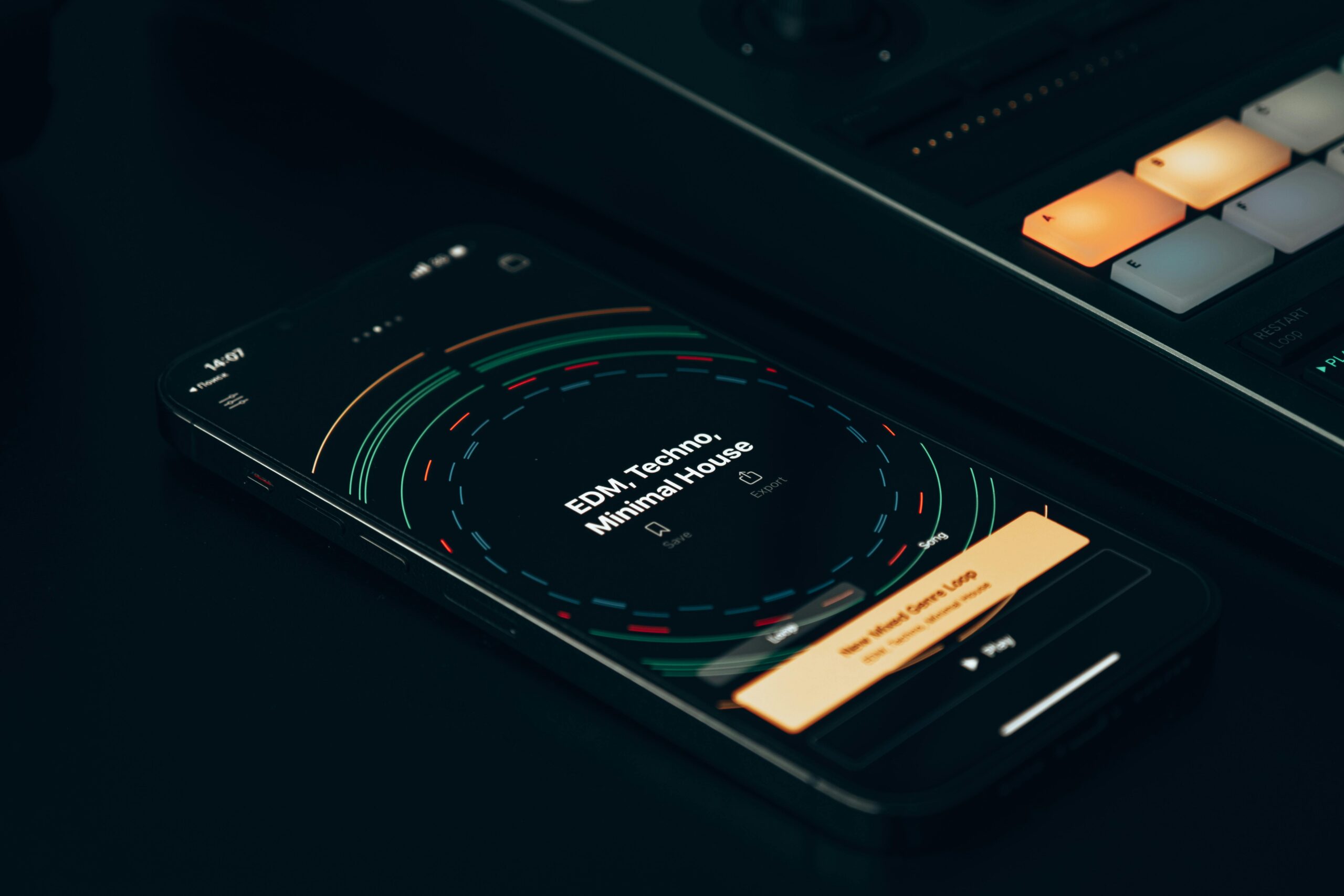
Whether you’re an aspiring DJ looking to learn the basics or an experienced mixer wanting portable equipment, DJ applications offer incredible flexibility and functionality. The evolution of mobile technology has made it possible to carry an entire DJ setup in your pocket, complete with effects, samplers, and professional mixing capabilities.
Anúncios
From bedroom producers to club performers, these apps have democratized music creation and performance. They’ve eliminated the need for expensive hardware while maintaining the quality and features that professionals demand. Let’s explore everything you need to know about DJ applications and how they’re changing the music landscape. 🎵
Why DJ Apps Are Taking Over the Music Scene
The shift from traditional DJ equipment to mobile applications represents one of the most significant transformations in music production history. Physical turntables and mixers once dominated the scene, requiring substantial financial investment and dedicated space. Today’s DJ apps deliver comparable functionality at a fraction of the cost, making music mixing accessible to anyone with a smartphone.
Anúncios
Modern DJ applications leverage advanced processing power to deliver real-time audio manipulation without latency issues. They incorporate sophisticated algorithms that analyze beats, match tempos automatically, and suggest harmonic mixes. This technological sophistication means beginners can achieve professional-sounding results while learning the fundamentals of DJing.
The portability factor cannot be overstated. Musicians can practice anywhere, capture creative ideas instantly, and even perform live sets using just their mobile device. This flexibility has opened new opportunities for spontaneous performances, impromptu practice sessions, and collaborative music creation across distances.
Essential Features Every Quality DJ App Should Have 🎛️
When evaluating DJ applications, certain features distinguish exceptional tools from basic mixers. A robust DJ app should provide intuitive waveform displays that allow precise visual beatmatching. Color-coded tracks help identify different musical elements, while zoom functions enable detailed editing and cueing.
Automatic beat detection and sync functionality form the backbone of modern DJ software. These features analyze incoming audio, detect the BPM (beats per minute), and align tracks automatically. While purists may prefer manual beatmatching, auto-sync allows newcomers to focus on creative mixing decisions rather than technical execution.
Effects libraries separate good apps from great ones. Quality DJ applications include filters, delays, reverbs, flangers, and phasers that can transform ordinary transitions into memorable moments. The ability to chain effects and adjust parameters in real-time adds professional polish to any mix.
Audio Library Integration and Format Support
Seamless integration with your existing music library is non-negotiable. The best DJ apps connect effortlessly with streaming services, cloud storage, and local files. They should support multiple audio formats including MP3, WAV, FLAC, and AAC, ensuring compatibility with your entire music collection.
Smart playlist creation and organization tools help manage large music libraries efficiently. Tagging systems, custom folders, and intelligent search functions make finding the perfect track quick and intuitive, even during live performances when time is limited.
Learning to Mix: From Beginner to Pro
Starting your DJ journey with a mobile app offers distinct advantages over traditional methods. The visual feedback provided by modern interfaces accelerates the learning process dramatically. Beginners can see exactly how beats align, watch waveforms interact, and understand EQ adjustments visually before developing the ear training that comes with experience.
Most quality DJ apps include tutorial modes or practice features that guide new users through fundamental techniques. These educational components cover beatmatching, phrase mixing, harmonic mixing, and effect application. Interactive lessons allow users to learn at their own pace without the pressure of live audiences.

Practice mode features let aspiring DJs experiment without consequences. You can try risky transitions, test unusual track combinations, and develop your unique style in a risk-free environment. Recording capabilities enable you to review performances, identify areas for improvement, and track your progress over time.
Advanced Techniques Made Accessible
As skills develop, DJ apps reveal their depth through advanced features that match professional hardware capabilities. Looping functions allow creative remixing by isolating and repeating specific sections. Hot cue points enable instant access to predefined track positions, essential for dynamic live performances.
Scratch simulation on touchscreens has evolved remarkably, with haptic feedback and responsive controls that mimic vinyl manipulation. While the tactile experience differs from physical turntables, the creative possibilities remain equally impressive. Many professional DJs now incorporate app-based scratching into their routines.
Hardware Controllers: Bridging Digital and Physical 🎚️
While touchscreen interfaces work remarkably well, many DJs prefer the tactile feedback of physical controls. Numerous manufacturers produce Bluetooth and USB controllers specifically designed for DJ apps. These devices range from compact portable units to full-size professional mixers.
Controller integration transforms the mobile DJ experience by providing dedicated knobs, faders, and pads. Physical jog wheels offer precise scratching control, while tactile crossfaders enable smooth transitions. Many controllers include velocity-sensitive pads for triggering samples and effects with dynamic expression.
The combination of app flexibility and hardware control creates a hybrid setup that satisfies both convenience and performance needs. DJs can practice with touchscreen controls during commutes, then connect controllers for serious sessions or live performances.
Live Performance Capabilities and Reliability
Using DJ apps for live performances requires confidence in stability and audio quality. Modern applications have matured significantly, offering professional-grade audio engines with minimal latency. High-quality apps process audio at 32-bit floating-point resolution, ensuring pristine sound reproduction even with multiple effects chains.
Battery management becomes crucial during extended performances. The best DJ apps optimize power consumption without sacrificing functionality. Features like screen dimming during performance mode, efficient audio processing algorithms, and battery status monitoring help ensure your device lasts through entire sets.
Backup options provide peace of mind during critical moments. Recording your live sets creates safety nets while documenting performances for later analysis or sharing. Some apps offer cloud sync functionality that automatically backs up settings, playlists, and cue points across devices.
Professional Audio Output Options 🔊
Connecting your device to professional sound systems requires proper audio interfaces. Many DJ apps support external audio interfaces that provide balanced outputs, independent cueing channels, and superior digital-to-analog conversion. These interfaces ensure your mobile setup delivers sound quality indistinguishable from traditional DJ equipment.
Split-output functionality allows pre-cueing tracks through headphones while the main mix plays through speakers. This essential DJ feature enables seamless track selection and preparation without interrupting the dance floor experience. Quality apps support both internal splitting and dedicated hardware interfaces.
Creative Possibilities Beyond Traditional Mixing
DJ apps have evolved beyond simple track blending into comprehensive creative platforms. Sampling capabilities let you capture and manipulate sounds on the fly, incorporating unique elements into your sets. Some applications include drum machines and synthesizers, enabling original music production alongside traditional mixing.
Live remixing features allow real-time track deconstruction and reconstruction. Isolate vocals, drums, or bass lines, then recombine them in innovative ways. These stem-separation technologies, once exclusive to expensive studio software, now operate in real-time on mobile devices.
Video mixing capabilities have emerged in some advanced DJ apps, allowing visual artists to blend video content synchronized with audio. This multimedia approach creates immersive experiences perfect for modern entertainment environments where visual elements are as important as sound.
The Social Aspect: Sharing and Collaboration 🌐
Modern DJ apps embrace social connectivity, featuring built-in sharing functions that upload mixes directly to streaming platforms and social media. One-tap sharing makes building an audience easier than ever, allowing bedroom DJs to reach global listeners instantly.
Collaborative features enable remote jam sessions and co-production. Multiple users can connect through cloud-based systems, contributing to shared projects regardless of physical location. This connectivity fosters creative communities and learning opportunities through direct interaction with other DJs.
Competition and challenge modes gamify the learning process while connecting users. Remix contests, mixing challenges, and community events provide motivation and recognition for developing DJs. Leaderboards and achievement systems add engaging elements that encourage skill development.
Choosing the Right DJ App for Your Needs
The DJ app marketplace offers options ranging from free basic mixers to premium professional platforms. Your choice should reflect your skill level, musical style, and performance goals. Beginners benefit from apps with extensive tutorials and simplified interfaces, while experienced DJs require advanced features and customization options.
Consider the music genres you’ll primarily mix. Some apps specialize in electronic dance music with features optimized for four-on-the-floor beats, while others excel at hip-hop with robust scratching and sampling capabilities. Genre-specific features significantly impact workflow efficiency and creative results.
Trial periods and free versions allow hands-on evaluation before committing financially. Test different interfaces, assess audio quality, and explore feature sets to determine which application feels most intuitive. The best DJ app is the one that becomes transparent during use, allowing focus on creativity rather than technical navigation.
Budget Considerations and Value Propositions 💰
DJ app pricing varies dramatically, from completely free options to premium subscriptions. Free applications often include advertisements or limited features, while paid versions unlock full functionality. One-time purchases provide permanent access, whereas subscription models deliver ongoing updates and cloud services.
Evaluate costs against traditional DJ equipment investments. Even premium DJ apps cost a fraction of professional mixers and turntables, making them exceptional value propositions. Additional considerations include in-app purchases for expansion packs, effect libraries, and premium sound samples.
The Future of Mobile DJing Technology 🚀
Artificial intelligence integration represents the next frontier in DJ applications. Machine learning algorithms already suggest compatible tracks based on harmonic and rhythmic analysis. Future developments will likely include AI-assisted mixing that learns individual style preferences and suggests creative transitions.
Augmented reality interfaces could transform visual feedback and control methods. Imagine holographic waveforms floating above your device or gesture-based controls that eliminate physical contact entirely. These innovations may sound futuristic, but the technology already exists in experimental forms.
Cloud processing may eventually supplement device-based audio engines, offloading intensive tasks to remote servers. This approach would enable even more sophisticated effects and processing on modest hardware, democratizing access to cutting-edge audio technology regardless of device capabilities.
Maintaining Your Creative Edge
Regular practice distinguishes hobby DJs from skilled performers. Consistent sessions, even brief 15-minute practices, build muscle memory and develop instinctive understanding of your chosen app. Experiment constantly, trying unconventional track combinations and pushing feature boundaries to discover unique sounds.
Study mixes from DJs you admire, analyzing their techniques and transition choices. Most professional DJs readily share knowledge through tutorials and masterclasses. The DJ community generally embraces newcomers enthusiastically, offering support and constructive feedback to those willing to learn.
Record everything, especially practice sessions. Reviewing recordings reveals patterns, highlights strengths, and exposes weaknesses that aren’t apparent during performance. This self-analysis accelerates improvement more effectively than any tutorial or instructor feedback alone.
Overcoming Common Challenges and Obstacles
Every DJ encounters technical difficulties and creative blocks. Audio latency issues typically stem from device limitations or improper settings rather than app deficiencies. Adjusting buffer sizes, closing background applications, and enabling performance modes usually resolves responsiveness problems.
Musical monotony develops when DJs remain within comfort zones, playing safe track selections repeatedly. Combat this by deliberately exploring new genres, experimenting with unfamiliar artists, and accepting that not every experiment succeeds. Growth requires risk-taking and occasional failure.
Performance anxiety affects even experienced DJs. Mobile apps actually help manage this stress through preparation features like pre-programmed sets and automatic failsafes. Remember that audiences rarely notice minor mistakes, and recovered transitions often impress more than flawless mixing.
Building Your Signature Sound and Style 🎨
Developing a recognizable style distinguishes memorable DJs from generic track players. Your signature sound emerges from consistent choices regarding track selection, transition types, effect usage, and energy management. Study your recordings to identify recurring patterns that define your natural preferences.
Genre blending creates unique sonic territories that audiences remember. Combining unexpected musical styles requires understanding how different genres share common elements like tempo, key, and energy levels. DJ apps make experimental blending risk-free through instant undo functions and non-destructive editing.
Personal music production integrated with DJ sets creates truly original performances. Many DJ apps include recording features that capture your mixes, which can then become new tracks for future sets. This recursive creativity builds a library of exclusive material that no other DJ possesses.
The Environmental and Practical Benefits
Mobile DJ applications significantly reduce the environmental impact associated with music performance. Traditional setups require manufacturing physical equipment, shipping materials globally, and eventually disposing of electronic waste. Apps eliminate these concerns while delivering comparable functionality.
Space constraints vanish when your entire DJ rig fits in a pocket. This minimalism enables DJing in unconventional locations and spontaneous performances without logistical nightmares. Hotel rooms, beaches, parks, and friend’s houses all become potential venues with zero setup complexity.
Transportation hassles disappear when traveling for performances. Airlines, trains, and rideshares become stress-free without bulky equipment concerns. International DJs particularly appreciate this convenience, as customs procedures and voltage differences no longer complicate touring.
Transforming Passion into Profession
Many professional DJs launched careers using nothing but mobile applications and determination. The low barrier to entry means financial constraints no longer prevent talented individuals from pursuing music careers. Social media amplification allows bedroom DJs to reach audiences that rival established artists.
Monetization opportunities extend beyond traditional performance fees. Streaming platforms, online lessons, sample pack sales, and sponsored content create diverse revenue streams. Building an audience through consistent quality content matters more than expensive equipment or industry connections.
The democratization of DJ technology means success depends primarily on creativity, dedication, and audience connection rather than financial resources. This shift has enriched music culture globally, introducing diverse voices and perspectives that traditional gatekeeping previously excluded.
DJ applications represent more than convenient alternatives to traditional equipment—they’re powerful creative instruments that have fundamentally transformed music culture. Whether you’re exploring mixing as a hobby or pursuing professional aspirations, these apps provide everything needed to develop skills, express creativity, and connect with audiences worldwide. The only remaining requirement is your passion and willingness to practice. Start your journey today and discover the incredible creative possibilities waiting at your fingertips. 🎧
