
Anúncios
Symbolic reconciliation acts possess transformative power to heal wounds between communities, nations, and individuals divided by conflict, injustice, or historical trauma. These gestures bridge past pain with present hope.

🕊️ The Profound Power of Symbolic Gestures in Healing Collective Wounds
Throughout human history, conflicts have left deep scars on societies, communities, and individuals. Wars, colonial oppression, slavery, genocide, and systemic injustices create wounds that persist across generations. While legal frameworks, compensation programs, and policy reforms address tangible aspects of reconciliation, symbolic acts reach something deeper—the emotional and spiritual dimensions of collective trauma.
Anúncios
Symbolic reconciliation encompasses public apologies, commemorative monuments, truth commissions, cultural exchanges, and rituals that acknowledge past wrongs while affirming shared humanity. These acts don’t erase history but create space for acknowledging pain, validating experiences, and building bridges toward a more unified future.
The effectiveness of symbolic reconciliation lies in its ability to communicate what words alone cannot express. When a national leader kneels at a memorial, when former enemies embrace publicly, or when communities jointly commemorate shared suffering, these images resonate across cultural and linguistic barriers, touching hearts and shifting perspectives.
Anúncios
Historical Milestones That Transformed International Relations
Some symbolic reconciliation acts have become defining moments in global history, fundamentally altering relationships between former adversaries and setting precedents for conflict resolution worldwide.
Willy Brandt’s Kniefall: A Gesture That Spoke Volumes
In December 1970, West German Chancellor Willy Brandt spontaneously knelt before the Warsaw Ghetto Heroes Monument in Poland. This unplanned gesture, known as the Kniefall von Warschau, acknowledged German responsibility for Holocaust atrocities and expressed profound remorse without uttering a single word.
The image of a German leader kneeling in the heart of formerly occupied Poland sent shockwaves through both nations. While controversial among some Germans who felt it was excessive, the gesture profoundly moved many Poles and Holocaust survivors, opening pathways for German-Polish reconciliation that continues to strengthen today.
The Embrace Between Kohl and Mitterrand
At the Douaumont ossuary in Verdun in 1984, French President François Mitterrand and German Chancellor Helmut Kohl stood hand-in-hand during a ceremony commemorating World War I victims. This powerful image symbolized the transformation of Franco-German relations from centuries of enmity to partnership within the European Union.
The Verdun gesture represented more than personal friendship—it embodied institutional commitment to preventing future conflicts through integration, economic interdependence, and cultural exchange. This symbolic moment contributed to the deepening European unity that followed.
Truth, Acknowledgment, and the Path to National Healing
Truth and reconciliation commissions represent institutionalized approaches to symbolic reconciliation, creating formal spaces where past injustices are acknowledged, victims share testimonies, and societies confront difficult histories collectively.
South Africa’s Truth and Reconciliation Commission
Following apartheid’s end, South Africa faced a critical choice: pursue prosecutions that might trigger violence or seek alternative justice mechanisms. The Truth and Reconciliation Commission, chaired by Archbishop Desmond Tutu, offered amnesty in exchange for truthful testimony about human rights violations.
This process prioritized restorative justice over retributive justice, allowing victims to share experiences publicly while perpetrators acknowledged wrongdoing. Though imperfect and criticized by some for insufficient accountability, the TRC facilitated national dialogue about apartheid’s horrors and established foundations for South Africa’s multiracial democracy.
The commission’s public hearings became powerful symbolic acts themselves, with testimonies broadcast nationally, creating shared awareness of apartheid’s brutality across racial lines. This collective witnessing represented an essential step toward building a unified national identity.
Canada’s Reconciliation Journey with Indigenous Peoples
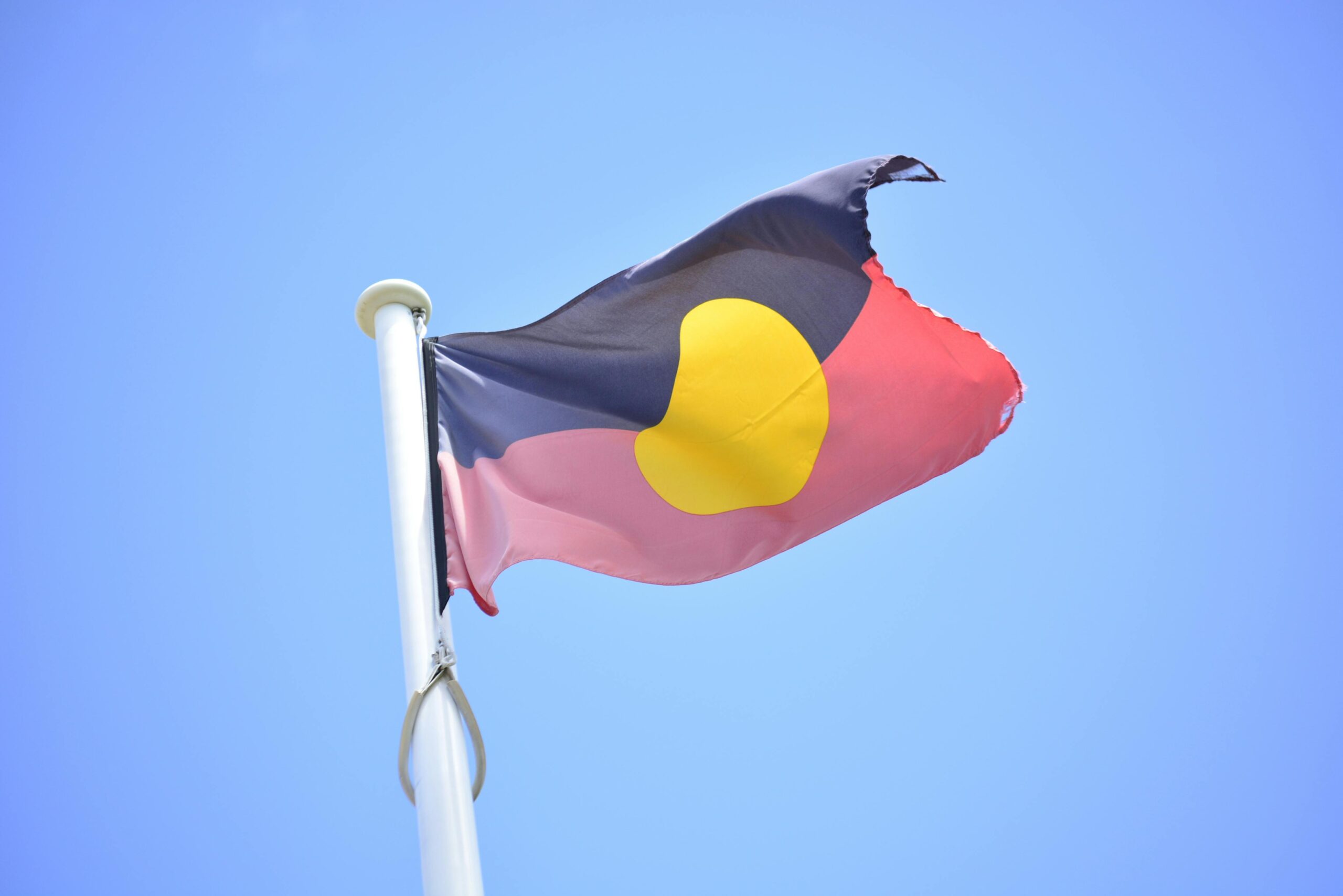
Canada’s Truth and Reconciliation Commission addressed the residential school system’s legacy, where Indigenous children were forcibly removed from families and subjected to cultural genocide. The commission’s work culminated in 94 Calls to Action addressing education, language preservation, child welfare, and justice reforms.
Prime Minister Justin Trudeau’s 2017 apology to survivors, delivered with emotional directness, represented official acknowledgment of state-sponsored harm. While symbolic gestures alone cannot undo generations of trauma, they validate Indigenous experiences and signal governmental commitment to addressing systemic injustices.
🤝 Grassroots Initiatives: When Communities Lead Reconciliation
While high-profile governmental acts capture global attention, grassroots reconciliation efforts often create sustainable, transformative change within communities directly affected by conflict.
Rwanda’s Gacaca Courts and Community Healing
Following the 1994 genocide against the Tutsi, Rwanda faced overwhelming numbers of suspected perpetrators and a decimated justice system. The government revived gacaca—traditional community courts—as mechanisms for truth-telling, accountability, and reconciliation.
These courts enabled communities to confront violence publicly, with perpetrators confessing before neighbors and survivors. Though controversial regarding due process concerns, gacaca courts facilitated localized reconciliation, allowing survivors and perpetrators to coexist within the same communities.
The symbolic power of public confession and community-based justice helped Rwanda rebuild social fabric torn apart by genocide. Combined with national unity policies and memorial practices, these efforts contributed to Rwanda’s remarkable post-genocide recovery.
Northern Ireland’s Peace Walls and Transformation
The physical barriers separating Protestant and Catholic neighborhoods in Northern Ireland represent visible manifestations of sectarian division. Recent initiatives have transformed some peace walls into canvases for reconciliation art, with murals depicting shared hopes rather than partisan messages.
Community organizations facilitate cross-community dialogues, youth exchanges, and joint commemorations that acknowledge both communities’ suffering during the Troubles. These grassroots efforts complement governmental peace processes, addressing interpersonal dimensions of reconciliation that formal agreements cannot reach.
Memorial Spaces as Sites of Collective Reflection
Physical memorials create tangible spaces where societies confront difficult histories, remember victims, and commit to preventing future atrocities. These sites serve educational, commemorative, and reconciliation functions simultaneously.
Design Elements That Foster Reflection Rather Than Division
Effective reconciliation memorials balance honoring victims with avoiding triumphalism or perpetuating enmity. The Vietnam Veterans Memorial in Washington, D.C., designed by Maya Lin, exemplifies this approach through its reflective black granite listing names without rank or political commentary.
Similarly, Berlin’s Memorial to the Murdered Jews of Europe creates disorienting, contemplative experiences through its 2,711 concrete stelae, encouraging personal reflection about Holocaust victims and German responsibility without prescribing specific emotional responses.
Contested Memories and Inclusive Commemoration
Memorial creation often sparks controversy when different groups hold competing historical narratives. Inclusive reconciliation requires acknowledging multiple perspectives while maintaining factual accuracy about past events.
The Hiroshima Peace Memorial Museum underwent renovations to more explicitly address Japanese wartime aggression alongside atomic bombing consequences, reflecting evolving understanding that comprehensive historical reckoning strengthens rather than weakens reconciliation efforts.
🌍 Cultural Exchange Programs That Build Understanding
Beyond formal governmental initiatives and memorials, cultural exchange programs create interpersonal connections that humanize former adversaries and build empathy across historical divides.
Youth Exchange Programs Between Former Enemies
Programs bringing together young people from historically antagonistic nations create friendships that transcend inherited prejudices. The German-French Youth Office, established in 1963, has facilitated millions of exchanges, contributing significantly to transformed bilateral relations.
Similar initiatives between Israeli and Palestinian youth, Greek and Turkish communities, and Japanese and Korean students create spaces for dialogue, shared activities, and personal relationship-building that challenge stereotypes and foster mutual understanding.
Arts and Sports as Reconciliation Vehicles
Collaborative artistic projects and sporting events provide neutral spaces where divided communities interact around shared interests rather than contentious histories. Music festivals featuring performers from conflicting groups, joint theater productions exploring difficult pasts, and integrated sports teams all contribute to normalization and reconciliation.
The Barenboim-Said Foundation’s West-Eastern Divan Orchestra brings together young Israeli, Palestinian, and other Middle Eastern musicians, demonstrating that collaboration and excellence transcend political divisions. These symbolic demonstrations of peaceful coexistence inspire broader audiences beyond direct participants.
Challenges and Criticisms of Symbolic Reconciliation
Despite their potential, symbolic reconciliation acts face legitimate criticisms and challenges that must be acknowledged for these efforts to achieve genuine transformative impact.
The Risk of Empty Gestures Without Substantive Change
Critics rightfully point out that apologies and symbolic acts ring hollow when unaccompanied by material reparations, policy reforms, or behavioral changes. Symbolic reconciliation must complement rather than substitute for addressing structural inequalities and systemic injustices.
When governments apologize for historical wrongs while perpetuating contemporary injustices against the same communities, victims understandably view such gestures as performative rather than authentic. Effective reconciliation requires coherence between symbolic acts and concrete actions.
Timing and Readiness for Reconciliation
Premature reconciliation efforts can retraumatize victims or create backlash when wounds remain too fresh. Effective symbolic reconciliation requires careful consideration of affected communities’ readiness and meaningful consultation with survivors about appropriate timing and forms.
The pressure to “move on” before victims feel heard or perpetrators acknowledge wrongdoing can perpetuate rather than heal divisions. Authentic reconciliation respects victim-centered timelines rather than imposing external schedules driven by political convenience.
💡 Essential Elements for Meaningful Reconciliation Acts
Research and experience identify key components that distinguish transformative symbolic reconciliation from ineffective gestures, providing frameworks for those seeking to facilitate healing processes.
Authenticity and Sincerity
Effective symbolic acts communicate genuine remorse, acknowledgment, and commitment rather than calculated political positioning. Authenticity emerges through consistency between words, actions, and policy commitments over time.
Public sentiment detects performative gestures quickly. Leaders and communities pursuing reconciliation must demonstrate sustained commitment through follow-through on promises, ongoing dialogue, and willingness to engage difficult conversations beyond initial symbolic moments.
Inclusive Processes That Center Affected Communities
Reconciliation processes designed without meaningful input from victims and affected communities often miss essential cultural considerations and fail to address actual needs. Centering survivor voices ensures symbolic acts resonate authentically rather than imposing external frameworks.
This includes consulting diverse perspectives within affected communities, recognizing that victims hold varied views about appropriate reconciliation forms and timelines. Inclusive processes create broader ownership and legitimacy for reconciliation initiatives.
Balancing Acknowledgment with Forward Vision
While confronting past wrongs remains essential, effective reconciliation also articulates positive visions for shared futures. This balance honors historical truth without imprisoning communities in cycles of grievance and resentment.
Symbolic acts that acknowledge injustice while highlighting shared values, common humanity, and interdependent futures create pathways beyond victimhood and guilt toward collaborative relationship-building and mutual flourishing.
Moving Forward: Building Cultures of Reconciliation
Symbolic reconciliation represents ongoing processes rather than single events. Sustainable healing requires embedding reconciliation principles into educational systems, cultural practices, and institutional structures.
Educational Curricula That Teach Complex Histories
Schools play critical roles in either perpetuating divisions or fostering reconciliation through how they teach contested histories. Curricula that acknowledge multiple perspectives, confront difficult truths, and develop critical thinking skills prepare future generations for constructive engagement across differences.
Joint textbook commissions, where historians from formerly antagonistic nations collaborate on shared historical narratives, represent powerful symbolic reconciliation while producing educational materials that reduce prejudice transmission across generations.
Rituals and Commemorations That Unite Rather Than Divide
Annual commemorations can either reinforce divisions or foster unity depending on their framing. Inclusive commemorative practices acknowledge specific group suffering while emphasizing shared humanity and collective commitments to preventing future atrocities.
Rwanda’s annual genocide commemoration includes remembrance of Tutsi victims while emphasizing national unity and collective responsibility to prevent future violence. This framing honors specific historical experiences while building inclusive national identity.
🌟 The Ongoing Journey Toward Unity and Healing
Symbolic reconciliation acts represent essential components of healing collective wounds and building unified societies from divided pasts. When authentic, inclusive, and accompanied by substantive reforms, these gestures possess remarkable power to transform relationships, shift narratives, and create pathways toward shared futures.
The most powerful symbolic acts combine acknowledgment of past wrongs with affirmation of present relationships and vision for future collaboration. They honor victims’ experiences while recognizing shared humanity across historical divides. They confront difficult truths while inspiring hope for transformation.
As societies worldwide continue grappling with legacies of conflict, colonialism, slavery, genocide, and systemic injustice, symbolic reconciliation offers tools for addressing these wounds constructively. Whether through governmental apologies, truth commissions, memorial spaces, cultural exchanges, or grassroots initiatives, these acts create possibilities for healing that purely legal or political approaches cannot achieve alone.
The journey toward reconciliation remains ongoing, requiring sustained commitment across generations. Each symbolic gesture contributes to larger processes of societal transformation, gradually shifting collective consciousness and building foundations for more just, unified, and peaceful communities.
By bridging hearts and histories through powerful acts of symbolic reconciliation, divided societies can move beyond cycles of resentment and retaliation toward futures defined by mutual understanding, shared prosperity, and collective healing. This work demands courage, humility, and persistence, but offers profound rewards: communities transformed from adversaries into partners, working together to ensure past tragedies never repeat while building brighter futures for all.
