
Anúncios
Collective memory serves as the invisible thread connecting past injustices to present-day struggles for justice, shaping how societies remember, interpret, and respond to historical wrongs.

🧠 The Architecture of Collective Memory
Collective memory represents more than individual recollections compiled together. It forms a shared framework through which communities interpret their past, constructed through social interactions, cultural narratives, and institutional practices. Unlike personal memory, which resides within individual consciousness, collective memory exists in the spaces between people—in conversations, commemorations, monuments, and shared stories that define group identity.
Anúncios
French sociologist Maurice Halbwachs pioneered the concept of collective memory in the early 20th century, recognizing that memory is fundamentally social. Our recollections are shaped by the groups to which we belong, whether families, communities, or nations. These groups provide frameworks that determine what we remember, how we remember it, and what significance we attach to those memories.
The architecture of collective memory includes several key components: carriers of memory such as witnesses and descendants, mediums like museums and memorials, and processes including education and commemoration. Together, these elements construct a living repository of shared experiences that transcends individual lifespans, allowing societies to maintain connections with their past across generations.
Anúncios
📚 Historical Injustices and the Memory Landscape
Throughout history, societies have grappled with remembering profound injustices—from slavery and colonialism to genocide and systematic discrimination. The way these injustices are remembered fundamentally shapes contemporary understanding and responses to ongoing inequalities.
The Atlantic slave trade and its legacy exemplify how collective memory influences justice pursuits. For centuries, dominant narratives minimized or romanticized slavery, focusing on economic development rather than human suffering. The collective memory maintained by African American communities, however, preserved stories of resistance, resilience, and trauma that contradicted sanitized historical accounts.
Similarly, the Holocaust stands as a pivotal example of how collective memory can mobilize justice efforts. The phrase “Never Again” encapsulates a collective commitment to remember atrocities to prevent their recurrence. Holocaust remembrance has influenced international law, human rights frameworks, and global consciousness about genocide prevention.
The Contested Terrain of Memory
Collective memory is rarely unified or uncontested. Different groups often hold conflicting memories of the same events, leading to “memory wars” that reflect ongoing power struggles. Colonial histories present particularly contentious memory landscapes, where colonizers and colonized communities maintain vastly different recollections of the same period.
In many former colonies, official narratives long reflected European perspectives, portraying colonization as civilizing missions rather than exploitation. Indigenous and colonized peoples preserved alternative memories through oral traditions, cultural practices, and resistance movements. The clash between these memory traditions continues to shape contemporary debates about reparations, land rights, and cultural restitution.
⚖️ From Memory to Justice: The Transformative Power of Remembrance
Collective memory doesn’t simply record the past—it actively shapes present action and future aspirations. When communities remember injustice, they create moral imperatives for corrective action, transforming historical awareness into contemporary justice movements.
The civil rights movement in the United States demonstrates this transformative power. Leaders like Dr. Martin Luther King Jr. explicitly connected present struggles to historical memory, invoking both the promise of American founding documents and the reality of slavery’s legacy. This strategic use of collective memory helped build coalitions, legitimize demands, and create moral urgency around racial justice.
Truth and reconciliation commissions worldwide have institutionalized the connection between memory and justice. South Africa’s post-apartheid commission established a formal process for remembering atrocities while pursuing accountability and healing. By creating spaces for testimony and acknowledgment, these commissions validate victims’ memories and integrate them into official historical records.
Memory as Resistance and Resilience
For marginalized communities, maintaining collective memory represents an act of resistance against erasure and forgetting. When dominant powers attempt to suppress uncomfortable histories, communities preserve counter-memories that challenge official narratives and assert alternative truths.
Indigenous peoples globally have maintained memory traditions despite systematic attempts to destroy their cultures. These preserved memories inform contemporary sovereignty movements, land reclamation efforts, and cultural revitalization projects. The act of remembering itself becomes a form of justice, asserting existence, continuity, and rights in the face of historical denial.
🏛️ Monuments, Memorials, and Material Memory
Physical spaces and objects serve as crucial anchors for collective memory, making abstract historical injustices tangible and accessible to contemporary audiences. Monuments, memorials, and museums function as sites where communities negotiate what and how to remember.
The recent controversies surrounding Confederate monuments in the United States illustrate how material memory reflects ongoing justice struggles. For some, these monuments represent heritage; for others, they symbolize the glorification of slavery and racism. Debates about their removal or contextualization reveal competing collective memories and differing visions of justice.
Counter-monuments have emerged as alternative memory practices, deliberately challenging traditional commemorative forms. Rather than celebrating heroic individuals or events, these installations often emphasize absence, loss, and ongoing injustice. The Memorial to the Murdered Jews of Europe in Berlin, with its disorienting field of concrete slabs, creates experiential rather than didactic memory, inviting personal reflection on incomprehensible atrocity.
Digital Memory and New Justice Landscapes
Digital technologies have fundamentally transformed collective memory practices, democratizing who can contribute to memory production and how memories circulate. Social media platforms enable real-time documentation of injustices and rapid dissemination of counter-narratives that challenge official accounts.
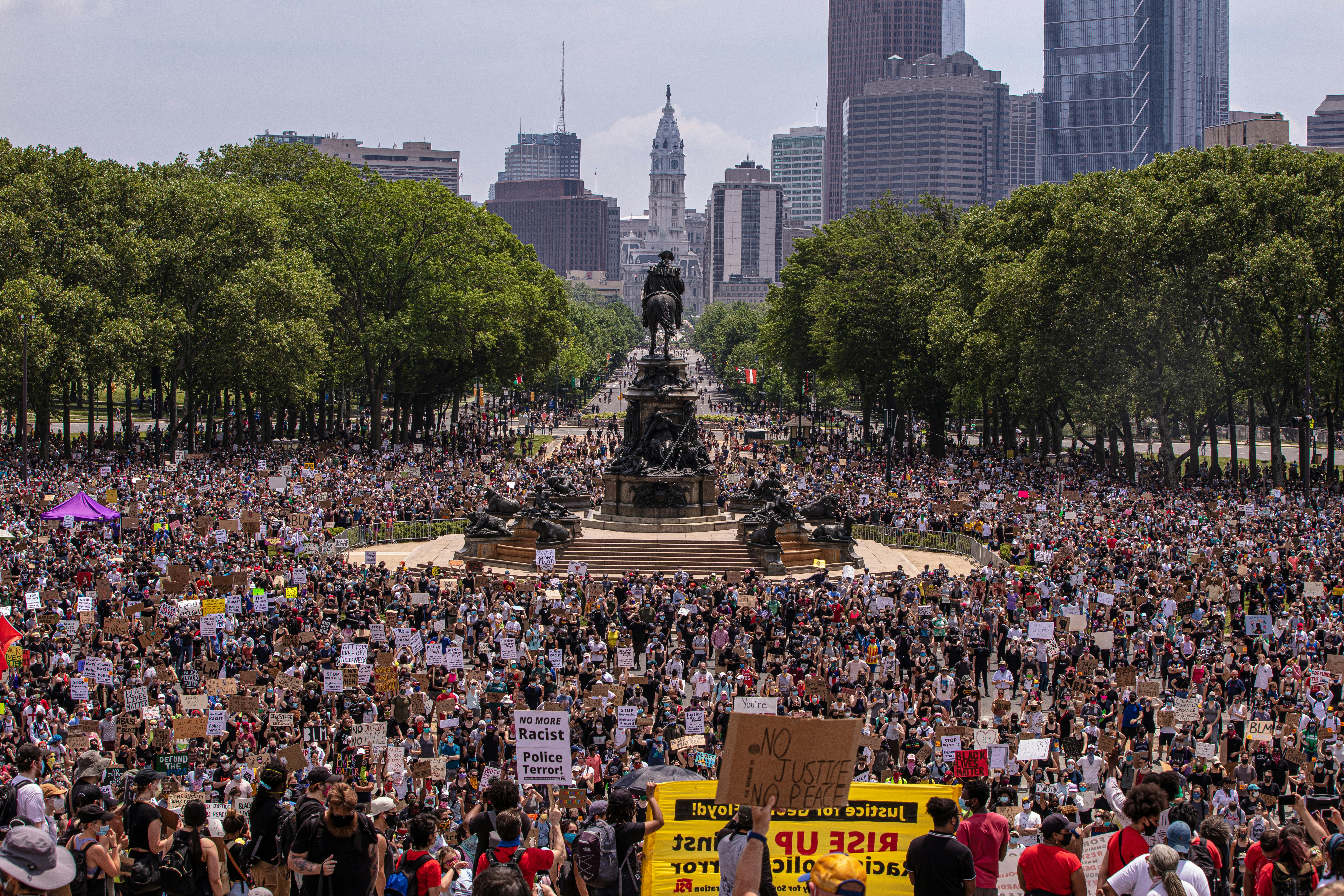
The Black Lives Matter movement exemplifies digital memory’s justice potential. Videos documenting police violence create undeniable records that contradict official narratives, building collective awareness and catalyzing action. Hashtags like #SayTheirNames create digital memorials, ensuring victims are remembered as individuals rather than statistics.
However, digital memory also presents challenges. Information overload can lead to superficial engagement, while algorithmic curation may create echo chambers that reinforce rather than challenge existing memory frameworks. The permanence and accessibility of digital records raise questions about the right to be forgotten versus the importance of historical accountability.
🌍 Global Memory Networks and Transnational Justice
Collective memory increasingly operates across national boundaries, creating transnational memory communities that link disparate justice struggles. Solidarity movements draw connections between different historical injustices, recognizing shared patterns of oppression and resistance.
The global memorialization of the Holocaust has influenced how other genocides are remembered and addressed. Memory practices developed for Holocaust commemoration have been adapted for remembering Armenian genocide, Rwandan genocide, and other mass atrocities. This memory transfer shapes international justice mechanisms and humanitarian interventions.
Postcolonial memory networks connect formerly colonized nations, facilitating shared understanding of colonial violence and coordinated demands for reparative justice. Initiatives like the International Decade for People of African Descent create frameworks for remembering transatlantic slavery while addressing its contemporary legacies globally.
🔄 Intergenerational Memory Transmission
The transmission of collective memory across generations ensures historical injustices remain relevant to people without direct experience of them. This intergenerational transfer occurs through various mechanisms, each shaping how younger generations understand and respond to historical wrongs.
Families serve as primary memory transmitters, particularly for traumatic histories. Holocaust survivors’ children and grandchildren often carry inherited memories that influence their identities and commitments. Research on epigenetics suggests trauma may even affect descendants biologically, though this remains scientifically contested.
Educational institutions play crucial roles in memory transmission, determining which histories are taught and how they’re framed. Curriculum battles over teaching slavery, colonialism, or genocide reflect ongoing struggles over collective memory. What young people learn about historical injustices shapes their understanding of present inequalities and their engagement with justice work.
The Challenge of Meaningful Remembrance
Sustaining meaningful engagement with historical injustice across generations presents significant challenges. As temporal distance increases, memories risk becoming ritualized or commodified, losing their capacity to motivate justice action. Holocaust remembrance, for instance, faces the challenge of remaining urgent and relevant as survivor generation passes.
Communities develop creative approaches to keep memories alive and actionable. Testimonial theater brings survivor stories to contemporary stages, making historical experiences immediate for modern audiences. Interactive museums invite visitors to engage actively with history rather than passively consuming information. These innovations seek to transform memory from obligation into genuine understanding that motivates ethical action.
💡 Memory, Identity, and Collective Healing
Collective memory profoundly shapes group identities, particularly for communities defined by shared experiences of injustice. How groups remember their pasts influences their present cohesion, their relationships with other groups, and their visions for the future.
For some communities, memory of injustice forms central identity pillars. Jewish identity, for example, is deeply intertwined with Holocaust memory, shaping religious practices, political perspectives, and community boundaries. Similarly, African American identity is inseparable from slavery’s memory and ongoing struggles against its legacies.
However, identity rooted in victimhood presents complexities. While validating suffering and motivating justice pursuits, victim-centered identity can sometimes limit possibilities for healing and transformation. Communities must balance remembering injustice with imagining futures not entirely defined by past trauma.
Restorative Memory Practices
Innovative memory practices seek not only to remember injustice but to facilitate healing and reconciliation. Restorative justice approaches integrate memory work with efforts to repair harm, rebuild relationships, and transform structures that enabled historical wrongs.
In post-conflict societies, community-led memory projects create spaces for diverse perspectives, allowing former enemies to acknowledge each other’s suffering without diminishing their own. These initiatives recognize that sustainable justice requires not just remembering victimization but also understanding complex historical dynamics that produced conflict.
🚀 The Future of Memory and Justice
As societies continue evolving, so too will the relationship between collective memory and justice. Emerging challenges and opportunities will shape how future generations remember injustice and pursue accountability.
Climate justice movements are developing new memory practices that connect environmental destruction to colonial and racial injustices. These frameworks help communities understand climate change not as abstract future threat but as continuation of historical patterns where marginalized populations bear disproportionate harm from others’ actions.
Artificial intelligence and virtual reality technologies offer unprecedented possibilities for memory preservation and transmission. VR experiences allow people to “witness” historical events, creating empathetic connections across time. AI can analyze vast memory archives, identifying patterns and connections humans might miss. However, these technologies also raise concerns about memory manipulation and the authenticity of mediated experiences.
The democratization of memory production continues accelerating, with individuals and grassroots organizations increasingly challenging institutional memory gatekeepers. This shift creates opportunities for previously marginalized memories to gain recognition while also raising questions about memory authority and historical accuracy in an era of “alternative facts.”
✨ Memory as Moral Compass
Ultimately, collective memory serves as a society’s moral compass, guiding ethical navigation through present challenges by illuminating past failures and successes. The memories we choose to preserve, the stories we tell about our history, and the monuments we build all reflect and shape our values, commitments, and aspirations.
Justice movements succeed not merely through legal victories or policy changes but through transforming collective consciousness about what constitutes fairness, dignity, and human rights. Collective memory provides the foundation for these transformations, ensuring that hard-won lessons from past struggles inform present action and future vision.
As we navigate increasingly complex global challenges—from persistent inequality to emerging technological dilemmas—the relationship between memory and justice becomes ever more critical. By thoughtfully engaging with our collective pasts, acknowledging difficult truths, and committing to remembrance that motivates ethical action, societies can transform historical injustices from burdens into guides, from sources of division into foundations for more just futures.
The work of unveiling the past and allowing collective memory to shape our understanding of injustice remains ongoing. Each generation must actively choose what to remember, how to remember, and how to let those memories guide justice pursuits. In this continuous process lies both responsibility and opportunity—the chance to honor those who suffered historical wrongs while building worlds where such injustices need not be repeated.
