
Anúncios
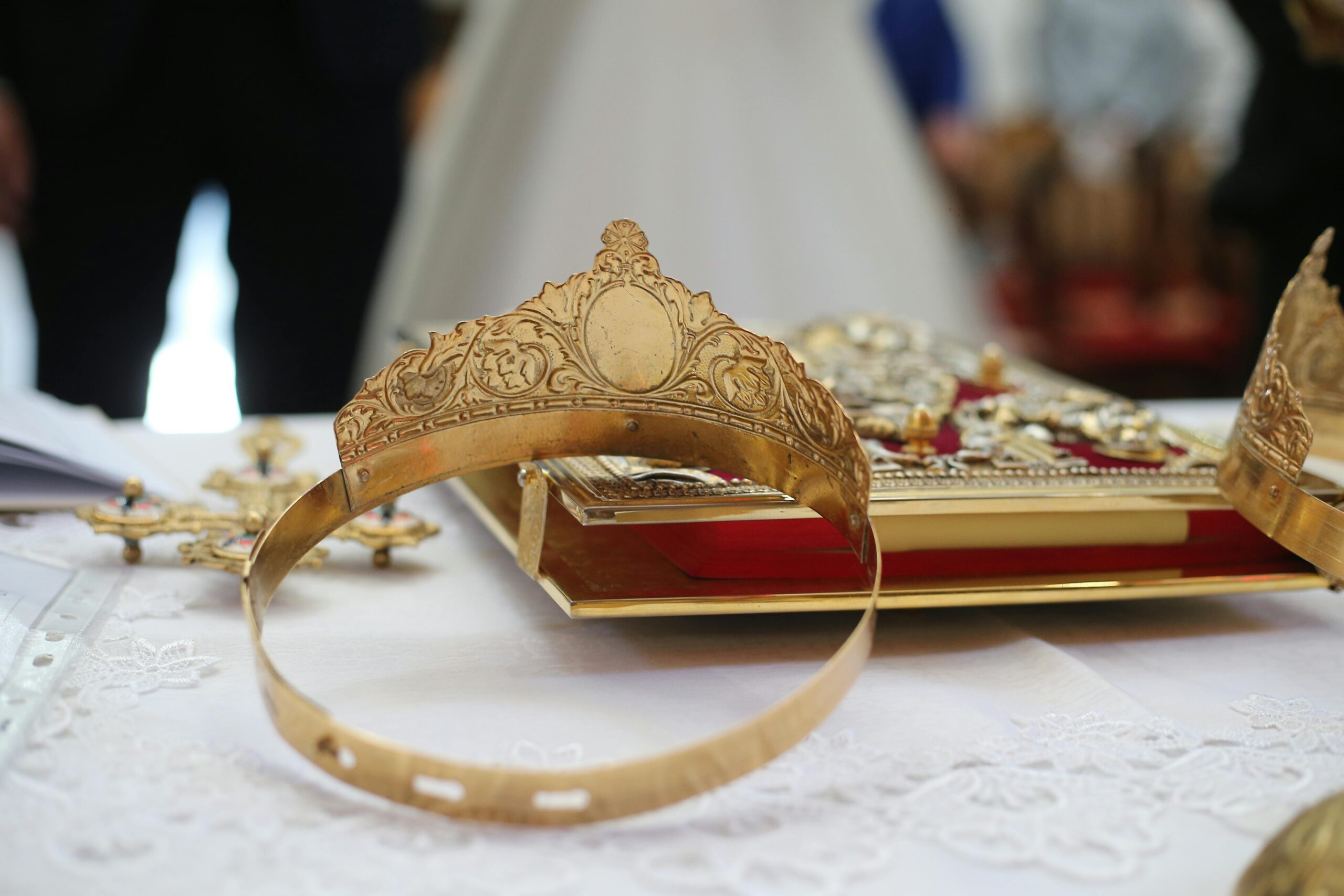
Throughout history, humanity has turned to tangible objects to anchor the intangible—promises, vows, and sacred agreements that shape our most meaningful relationships.

🔮 The Ancient Language of Sacred Objects
From the moment early civilizations recognized the need to formalize agreements, ritual objects emerged as powerful witnesses to human commitment. These weren’t mere decorative items or practical tools; they served as physical anchors for abstract concepts like trust, loyalty, and honor. The transformation of everyday materials into sacred symbols represents one of humanity’s most profound innovations in social bonding.
Anúncios
Archaeological evidence reveals that our ancestors understood something fundamental about human psychology: we need material representations to make the immaterial feel real. A promise spoken into the wind can dissipate with the breeze, but a promise sealed with an object acquires weight, permanence, and witness. This insight laid the foundation for countless cultural practices that continue to shape how we form and maintain commitments today.
The power of ritual objects lies not in their monetary value but in their symbolic resonance. A simple stone exchanged between two parties can carry more significance than gold if it’s imbued with intention and ceremony. This principle has remained constant across cultures and millennia, suggesting that it touches something essential in human nature—our need to externalize and validate our deepest intentions.
Anúncios
💍 Rings: The Unbroken Circle of Promise
Perhaps no ritual object has achieved greater universal recognition than the ring. Its circular form, without beginning or end, naturally suggests eternity and continuity. Ancient Egyptians are credited with first using rings in marriage ceremonies, crafting them from braided reeds and hemp. Though these materials were perishable, their symbolic meaning was not—the ring represented a bond that transcended the physical lifespan of the object itself.
Romans elevated ring-giving to an art form, introducing the custom of wearing the ring on the fourth finger of the left hand, believing a vein ran directly from that finger to the heart. Whether anatomically accurate or not, this belief reveals how ritual objects accumulate layers of meaning over time, each culture adding its own interpretation while preserving the core symbolism.
Modern engagement and wedding rings continue this tradition, but their significance has evolved. Today’s rings often incorporate personalized engravings, family gemstones, or unconventional materials that tell unique stories. Yet the fundamental purpose remains unchanged: to create a visible, tangible reminder of an invisible, intangible commitment. The weight on your finger becomes a constant physical presence representing the weight of responsibility and promise.
Beyond Marriage: Rings in Other Commitments
Religious orders have long used rings to symbolize spiritual commitment. Bishops wear rings signifying their marriage to the church. Graduates receive class rings marking their commitment to educational values. Championship rings celebrate team commitments. Each context transforms the circular band into a specific language of dedication, proving the symbol’s remarkable adaptability while maintaining its core meaning.
🕊️ Salt, Bread, and the Rituals of Hospitality
Not all sacred symbols of commitment involve permanent objects. Shared consumption of specific foods has served as powerful ritual across countless cultures. The Russian tradition of welcoming guests with bread and salt creates an immediate bond of hospitality and mutual protection. Breaking bread together—a phrase that has entered common language—signifies trust and shared humanity.
These consumable ritual objects possess unique power precisely because they’re temporary. They must be renewed, recreated, and shared again, making them symbols of ongoing commitment rather than one-time promises. The act of eating together breaks down barriers in ways that permanent objects cannot, literally incorporating the ritual into our bodies.
Indigenous peoples worldwide have developed sophisticated food-sharing rituals that seal everything from peace treaties to marriage agreements. The pipe ceremony among many Native American nations, for instance, involves sharing tobacco smoke as a sacred act that binds participants to truth and mutual respect. The ephemeral nature of smoke—visible yet intangible—perfectly embodies the challenge of making abstract commitments concrete.
📜 Written Words as Sacred Objects
When writing emerged, humanity gained new tools for sealing commitments. Contracts, treaties, and sacred texts became ritual objects in their own right. The physical document—whether clay tablet, papyrus scroll, or parchment—transcended its role as information storage to become a witness and symbol of agreement.
Consider the reverence with which cultures treat their sacred texts. The Torah scroll in Judaism isn’t merely a book containing words; it’s a holy object that requires specific handling, storage, and treatment. Similarly, historical treaties are preserved not just for their informational content but as artifacts representing momentous agreements between peoples and nations.
The act of signing one’s name transforms a document into a ritual object. Your signature—a stylized, often partially illegible version of your name—serves as a personal symbol, a mark that says “I was here, and I agreed to this.” In many legal traditions, the signature must be witnessed, adding another layer of social validation to the ritual. This transforms a simple piece of paper into a powerful symbol of commitment backed by personal honor and social accountability.
The Digital Transformation of Sacred Documents
Our digital age presents fascinating challenges to the concept of documents as ritual objects. Electronic signatures and blockchain-verified agreements lack the physical presence of traditional documents, yet they serve the same function. This evolution raises profound questions: Can a digital object carry the same sacred weight as a physical one? Many would argue yes, suggesting that the power lies not in the medium but in the intention and social recognition surrounding it.
🗝️ Keys, Tokens, and Symbols of Access
Objects that grant access or symbolize authority constitute another category of commitment symbols. Medieval lords granted keys to their castles as signs of trust and delegated authority. The recipient committed to safeguarding the realm, while the granter committed to honoring that trust. The physical key became a visible reminder of invisible responsibilities.
Challenge coins in military tradition serve similar functions. These custom-minted coins represent belonging to a unit and commitment to its values. The tradition of “checking coins” creates moments where commitments are quietly reaffirmed, the physical object serving as both identifier and reminder of shared bonds.
Friendship bracelets, class rings, organizational pins—these modern tokens may seem trivial compared to ancient ritual objects, yet they function identically. They mark commitment to a group, relationship, or set of values. The teenager exchanging friendship bracelets with a best friend participates in the same fundamental human ritual as ancient warriors exchanging weapons or medieval nobles exchanging rings of fealty.
⚔️ Weapons and Tools as Sacred Pledges
In warrior cultures across the world, weapons have served as powerful symbols of commitment. The samurai sword in Japanese culture wasn’t merely a tool for combat—it was the soul of the warrior, representing commitment to the code of bushido. To touch another warrior’s sword without permission was an unthinkable violation because the object embodied the person’s honor and commitment to their path.
The exchange of weapons could seal alliances, transfers of power, or master-student relationships. When a teacher presented a student with their own weapon, it signified not just skill transfer but a commitment to carry forward a tradition. The physical object bridged past and future, connecting generations through shared values and practices.
Tools of trade have served similar functions in craft guilds and professional organizations. The master carpenter’s hammer passed to an apprentice, the chef’s knife gifted to a protégé—these objects carry accumulated meaning that transcends their functional purpose. They become relics of commitment to excellence, tradition, and the continuation of specialized knowledge.
🌿 Natural Objects as Witnesses to Promises
Many cultures have turned to nature itself for ritual objects that seal commitments. Trees planted at weddings or births become living monuments to promises made. As the tree grows and endures, it serves as a constant reminder of the commitment it represents. Unlike manufactured objects, living symbols require ongoing care, making them particularly appropriate for commitments that also require nurturing.
Stones gathered from significant locations have served as portable reminders of promises and vows. The biblical tradition of setting up standing stones as witnesses to covenants reflects this practice. Japanese omamori—protective amulets from shrines—often contain natural materials blessed in sacred spaces, connecting the bearer to their spiritual commitments.
Water from sacred rivers, soil from ancestral lands, seeds from important plants—these natural materials become ritual objects when human intention and ceremony transform them from random natural items into carriers of meaning. The practice acknowledges that the sacred exists both in what we create and what we discover, both in human artistry and natural beauty.
🎨 Creating Your Own Sacred Symbols
The power of ritual objects doesn’t require ancient traditions or religious authority. Anyone can create meaningful symbols to anchor their commitments. The key lies in intention, ceremony, and consistent acknowledgment of the symbol’s meaning. A stone picked up on a significant date, a letter written and sealed for a future anniversary, a photo placed in a specific location—any object can become sacred if treated as such.
When creating personal ritual objects, consider these elements that enhance their power:
- Physical presence: Choose objects that have weight, texture, or visual impact that will capture attention and serve as regular reminders
- Personal significance: The meaning should resonate with your specific situation, not borrowed wholesale from traditions that feel foreign
- Ceremony in creation: The act of designating something as sacred matters. Create a moment around the object’s first use or exchange
- Visibility versus privacy: Decide whether your symbol should be public (like a ring) or private (like a hidden letter), based on the nature of the commitment
- Durability appropriate to purpose: Short-term commitments might use ephemeral objects, while life-long promises benefit from durable materials
The Ritual of Acknowledgment
Creating the object is only the beginning. Sacred symbols gain power through regular acknowledgment. Some people create daily or weekly rituals around their commitment objects—touching a ring while reciting a personal vow, displaying a symbol in a location where it’s seen during morning routines, or periodic ceremonies where the object is formally acknowledged.
These practices prevent the symbol from fading into background noise. A wedding ring worn for decades can become invisible through familiarity, but a practice of consciously acknowledging it—even briefly—maintains its power as a reminder and reinforcer of commitment.
🌍 Cultural Variations in Commitment Symbols
Exploring how different cultures approach ritual objects reveals both universal patterns and fascinating variations. In Chinese tradition, the exchange of jade pieces symbolizes enduring friendship and commitment. The material itself carries meaning—jade’s durability and beauty representing the qualities desired in relationships.
African cultures have developed rich traditions around beadwork, with specific colors and patterns encoding messages about relationships, status, and commitments. Zulu love letters—intricate beaded items—communicate complex emotional and social commitments through a visual language understood within the community.
Hindu marriage rituals involve multiple sacred objects: mangalsutra necklaces, toe rings, sindoor powder. Each object marks different aspects of the marriage commitment, creating a constellation of symbols rather than relying on a single object. This approach recognizes that complex commitments have multiple facets deserving individual recognition.
| Culture | Ritual Object | Symbolic Meaning |
|---|---|---|
| Celtic | Claddagh Ring | Love, loyalty, and friendship |
| Hawaiian | Lei Exchange | Welcome, celebration, and respect |
| Indigenous Australian | Message Sticks | Agreements between communities |
| Maori | Toki (Jade Pendant) | Strength, courage, and connection |
💡 The Psychology Behind Physical Commitment
Modern psychology has validated what ancient peoples intuited: physical objects profoundly impact our sense of commitment. The psychological principle of “embodied cognition” suggests that physical experiences shape abstract thinking. When we hold a sacred object, our brain processes the commitment differently than if we merely think about it.
Research on goal achievement shows that people who create physical representations of their commitments—whether vision boards, written contracts with themselves, or symbolic objects—demonstrate higher rates of follow-through. The object serves as an external anchor point that doesn’t depend on memory or momentary motivation.
Sacred objects also provide what psychologists call “cue-dependent memory.” The physical presence triggers recall of the emotional state and intentions present during the commitment’s creation. This is why catching sight of your wedding ring during a difficult moment can flood you with memories of your wedding day’s feelings, reinforcing your commitment when it might otherwise waver.
Furthermore, ritual objects engage multiple senses. The weight of a ring, the texture of a talisman, the visual presence of a displayed symbol—these multi-sensory experiences create stronger neural pathways than abstract thoughts alone. This neurological reality explains why humans across all cultures and eras have instinctively turned to physical objects to anchor important commitments.
🔄 When Sacred Symbols Are Broken
The power of ritual objects becomes painfully evident when they’re damaged, lost, or deliberately destroyed. The breaking of a symbolic object often represents the breaking of the commitment itself. Some cultures have formalized this connection—medieval vows could be ceremonially ended by breaking the object that sealed them.
The emotional impact of losing a wedding ring, for instance, often far exceeds its monetary value. People report feeling that the relationship itself is threatened by the loss, even when rationally understanding that the commitment exists independent of the object. This response reveals how deeply these symbols become intertwined with our sense of the commitments they represent.
Conversely, the restoration or replacement of a damaged sacred object can itself become a meaningful ritual. Repairing a broken symbol while reaffirming the commitment it represents creates a powerful moment of renewal. Some couples who’ve faced relationship difficulties have created rituals around replacing or renewing their wedding rings, using the physical act to symbolize their renewed dedication.
✨ The Future of Commitment Symbols
As we move further into the digital age, the nature of ritual objects continues to evolve. NFTs and digital tokens are emerging as new forms of commitment symbols, particularly among younger generations comfortable with virtual assets. While traditionalists might scoff at non-physical symbols, these innovations follow ancient patterns—using the available technology to create meaningful markers of commitment.
Augmented reality offers intriguing possibilities for hybrid physical-digital ritual objects. Imagine a simple stone that, when viewed through AR glasses, displays accumulated messages, memories, and affirmations related to a commitment. The physical object anchors the experience while digital layers add depth and capacity for evolution over time.
Yet despite technological advancement, the fundamental human need for tangible symbols shows no signs of diminishing. Even in our increasingly virtual world, people continue to exchange physical rings, create memory boxes, and plant commemorative trees. The enduring appeal of ritual objects suggests they answer a deep human need that transcends technological change.
🌟 The Enduring Magic of Physical Promises
Sacred symbols of commitment work their magic not through supernatural properties but through profound psychological and social mechanisms. They transform abstract intentions into concrete realities, private thoughts into public declarations, and momentary feelings into enduring bonds. Whether ancient or modern, simple or elaborate, these objects serve as bridges between the world of ideas and the world of matter.
The practice of using ritual objects to seal meaningful agreements persists because it addresses something fundamental in human nature: our need to make the invisible visible, to anchor the ephemeral, to create external witnesses to internal truths. In an age of constant change and digital abstraction, physical symbols of commitment may be more important than ever, providing stability and continuity in our relationships and personal values.
As you navigate your own important commitments—whether relationships, personal goals, spiritual practices, or professional promises—consider the power of creating or choosing ritual objects to anchor these intentions. The simple act of selecting something physical to represent your commitment engages your mind, body, and spirit in ways that thoughts alone cannot achieve. In this ancient practice, you join countless generations who understood that sometimes the most powerful magic is the kind we create ourselves through intention, symbol, and sacred witness.
